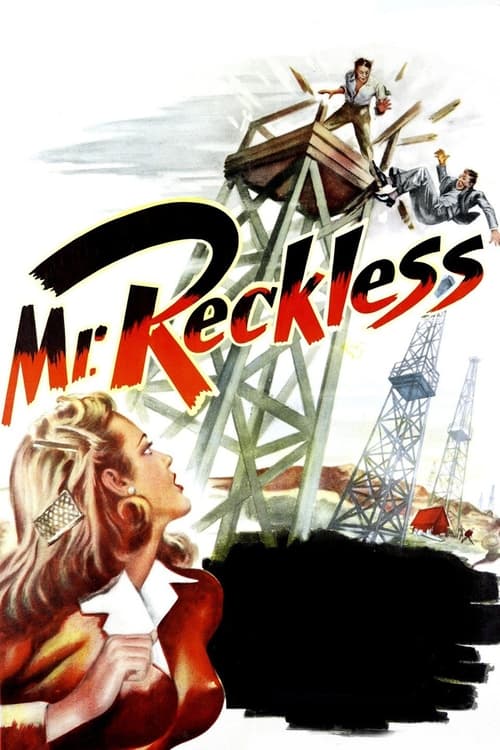
Mr. Reckless
1948
No user ratings available yet
Representation score: 1.4 out of 10
Representation Score
Minimal
1953
ApprovedDirector
Anthony Mann
Runtime
103 minutes
Average Rating
No ratings yetNew Showbiz Analysis
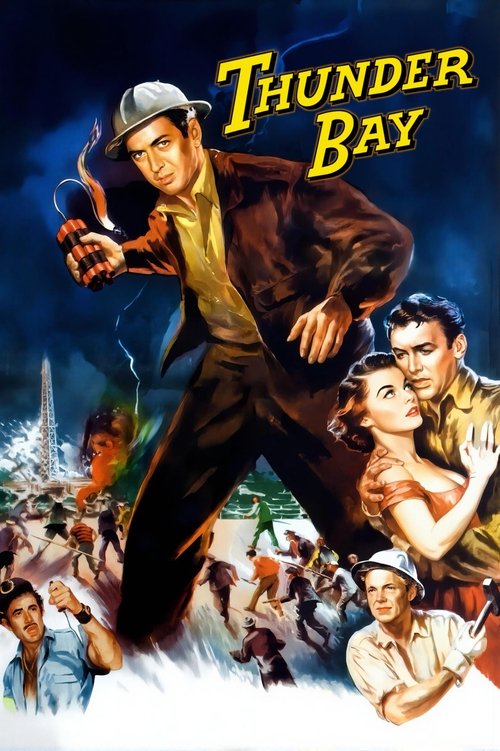
Thunder Bay is a typical mid-century drama that mirrors the social hierarchies of 1953. The narrative emphasizes rugged individualism and traditional dramatic structures, focusing on male-centric conflicts in the shrimping and oil industries. The film features a largely homogeneous cast that reflects the era's studio system. While it explores the tension between labor and industry, it does so through the lens of individual struggle rather than social critique. Ultimately, the film adheres to the norms of its time, lacking diverse representation and failing to challenge established gender, racial, or cultural norms.
Category Breakdown
The film does not include any LGBTQ+ characters or themes. There are no representations of non-straight or non-cisgender identities.
Women in the film mainly serve as emotional support or secondary motivators. The story centers around male-dominated industries and conflicts related to justice and reputation.
The cast is mostly white and reflects an Anglo-centric perspective. There is a lack of significant racial or ethnic diversity among the characters.
The plot delves into socioeconomic power dynamics between workers and industrial expansion. However, it upholds traditional moral values rather than challenging Western institutions.
There is no depiction of visible or invisible disabilities. Characters are portrayed as physically resilient, without addressing neurodivergence or chronic illness.
Present on Screen
Limited or Absent
Official Synopsis
Shrimpers and oilmen clash when an ambitious wildcatter begins constructing an off-shore oilrig.
1948
1971
1948

1953
1960
1958

1959

2011
No reviews yet. Be the first to share your thoughts on this movie!
Use the rating form above to leave a star rating and optional review.