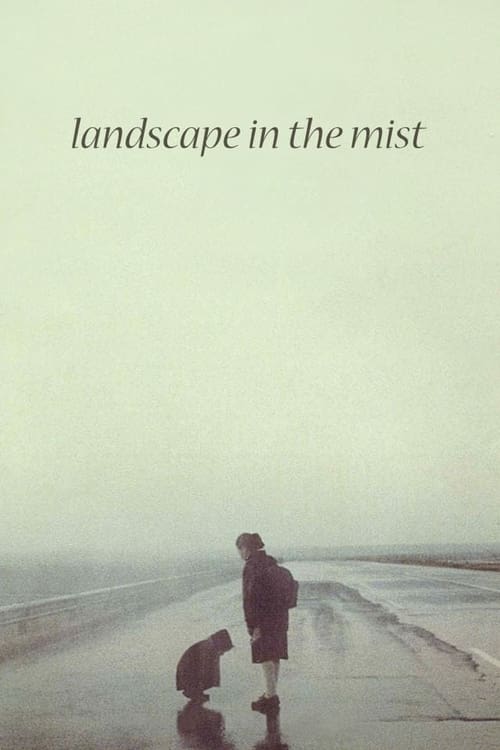
Landscape in the Mist
1988
No user ratings available yet
Representation score: 5.7 out of 10

Representation Score
Limited
1998
UnratedDirector
Theo Angelopoulos
Runtime
133 minutes
Average Rating
No ratings yetNew Showbiz Analysis
Theo Angelopoulos delivers a meditative masterpiece centered on the singular experience of a white, male intellectual. The film prioritizes existential inquiry and the metaphysical implications of mortality over the exploration of diverse identity markers. While the narrative offers intellectual openness by favoring secular existentialism over rigid religious morality, it remains a traditionalist work. The structure relies on an assumption that everyone is straight or cisgender, lacking systemic identity dynamics. Ultimately, the film functions as a study of the individual against history. It lacks the real-world impact for underrepresented groups or diverse casting required for a higher contemporary representation score.
Category Breakdown
The film focuses almost exclusively on the internal journey of a male protagonist. There is no depiction of non-straight relationships or non-cisgender identities.
The narrative centers on a solitary male intellectual, using his experiences as the default lens for philosophical inquiry. Women appear as catalysts for reflection but lack independent narrative roles.
Set in Greece, the film reflects a homogeneous Mediterranean landscape with a primarily Greek cast. It portrays a specific cultural reality without attempting to deconstruct Western-centric casting models.
The film prioritizes a secular, existentialist worldview over religious dogma. It explores the transience of human achievement and the weight of history through a moral relativist lens.
A terminal illness drives the plot, but it is treated as a philosophical condition rather than a lived experience. The film lacks nuanced representation of neurodivergence or physical disabilities.
Present on Screen
Limited or Absent
Official Synopsis
Famous writer Alexander contracts a terminal illness. He receives a letter from his wife describing a summer day 30 years ago, and leaves his seaside home to remember his past. This journey will allow him to wander between the past and the present, and encounter unexpected people, allowing him to collect unforgettable memories in the final moments of his life.
1988

2011

2003

1963
2011

2020
1993

1999
No reviews yet. Be the first to share your thoughts on this movie!
Use the rating form above to leave a star rating and optional review.