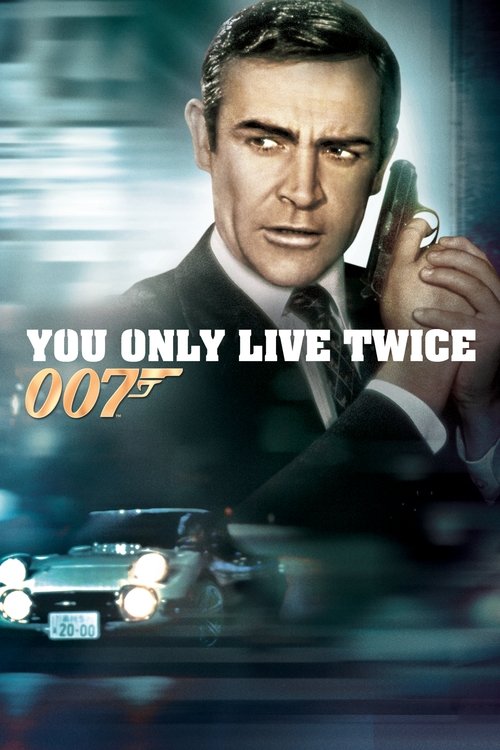
You Only Live Twice
1967
No user ratings available yet
Representation score: 1.4 out of 10
Representation Score
Limited
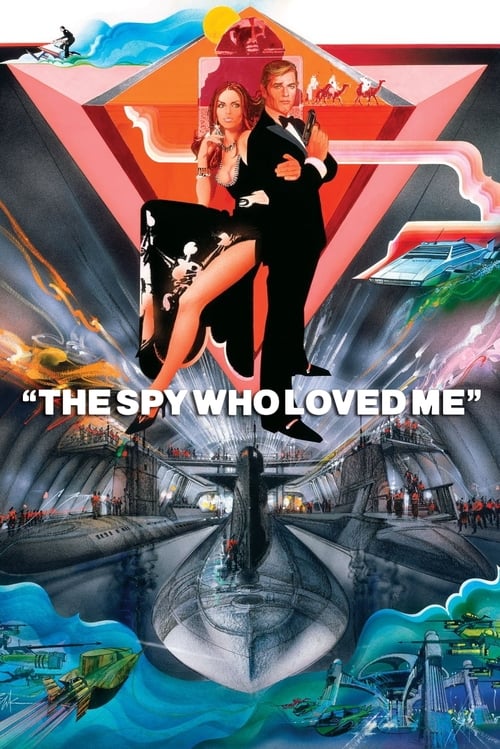
1977
PGDirector
Lewis Gilbert
Runtime
125 minutes
Average Rating
No ratings yetNew Showbiz Analysis
The film is a quintessential 1970s genre piece that finds its most progressive elements in gender dynamics. By positioning Anya Amasova as a competent Soviet agent, the film moves beyond the standard damsel in distress cliché, offering a rare moment of professional parity for a female character. However, the film remains deeply conservative in its social and political outlook. It upholds traditional assumptions about straight relationships and focuses heavily on the interests of global superpowers. The internationalist setting provides visual variety, but the underlying power structures remain largely unchanged. Ultimately, the film prioritizes the preservation of established state authority. While it utilizes a global stage, it does not seek to deconstruct Western hegemony or explore diverse identities beyond the immediate geopolitical conflict.
Category Breakdown
The film adheres to a strictly heterosexual framework. Romantic tension is confined to the male protagonist and his female counterparts, with no hints of queer relationships or non-binary gender identities.
Anya Amasova stands out by being a professional peer to Bond, showcasing tactical skill and intellectual rivalry rather than just distress. She plays a significant role in driving the story.
International settings like Egypt and Malta introduce a diverse supporting cast. However, the central power dynamics focus on Western and Soviet geopolitical interests.
The story emphasizes Western institutional stability through its protagonist. Conflict is framed through individual villainy, avoiding a systemic critique of social or economic orders.
The narrative contains no depictions of visible or invisible disabilities. No characters have arcs shaped by physical impairment or neurodivergence.
Present on Screen
Limited or Absent
Official Synopsis
Russian and British submarines with nuclear missiles on board both vanish from sight without a trace. England and Russia both blame each other as James Bond tries to solve the riddle of the disappearing ships. But the KGB also has an agent on the case.
1967

1968

1981

1982

1987

1987

1983

1976
No reviews yet. Be the first to share your thoughts on this movie!
Use the rating form above to leave a star rating and optional review.