
For Your Eyes Only
1981
No user ratings available yet
Representation score: 2.9 out of 10
Representation Score
Minimal
1987
PGDirector
John Glen
Runtime
130 minutes
Average Rating
No ratings yetNew Showbiz Analysis
The film adheres to traditional genre conventions, upholding the social and political hierarchies of the late 1980s. While it introduces a more capable female lead, the narrative remains anchored in conventional clichés. Gender representation shows some progress, but the power dynamics still favor a masculine-led storyline. Racial and cultural diversity is limited, focusing primarily on Western and Soviet power blocs. The work maintains a binary moral framework and lacks diverse perspectives.
Category Breakdown
The film does not include any LGBTQ+ characters or explore non-straight relationships. Romantic relationships are strictly heterosexual.
Kara Milovy breaks away from the passive 'Bond Girl' stereotype by showing intelligence and political ambition. However, the story still emphasizes traditional masculine leadership and hero-centric roles.
The cast is predominantly white, reflecting a Cold War-era European setting. While the Czech protagonist adds some diversity, the overall cast lacks significant racial or ethnic diversity.
The story is set within a Western institutional context, emphasizing the legitimacy of MI6 and Western interests. It portrays geopolitical instability through the lens of Cold War tensions.
There is no representation of physical, sensory, or neurodivergent disabilities among the main cast or central character arcs.
Present on Screen
Limited or Absent
Official Synopsis
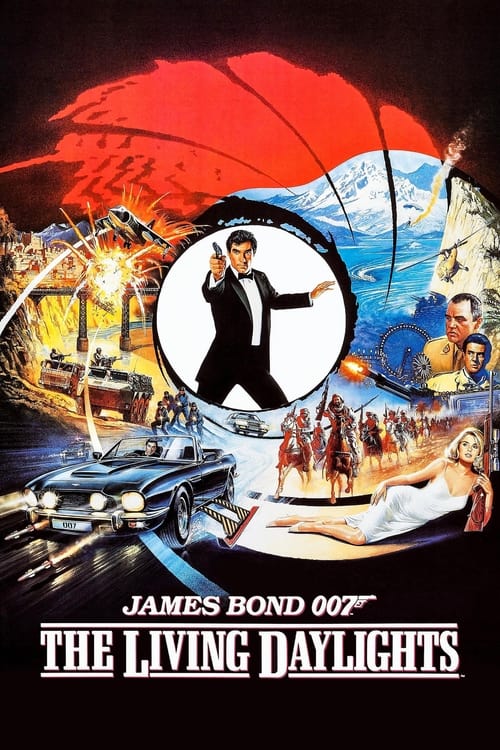
After a defecting Russian general reveals a plot to assassinate foreign spies, James Bond is assigned a secret mission to dispatch the new head of the KGB to prevent an escalation of tensions between the Soviet Union and the West.
1981

1968

1983

1987

1989

1980

1977

1982
No reviews yet. Be the first to share your thoughts on this movie!
Use the rating form above to leave a star rating and optional review.