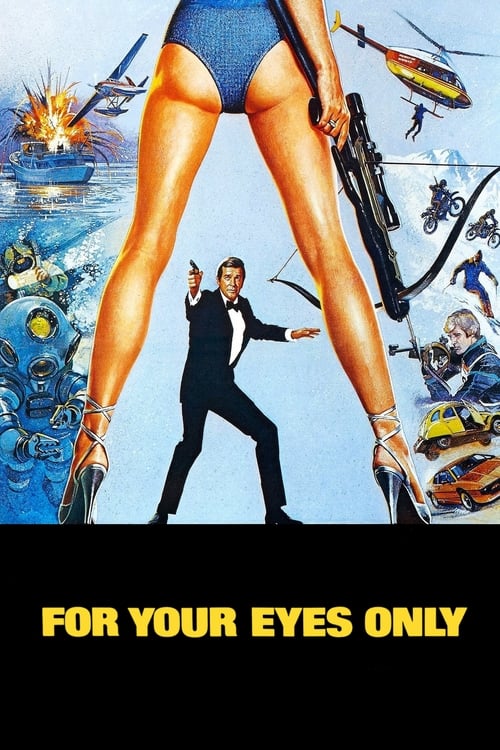
For Your Eyes Only
1981
No user ratings available yet
Representation score: 2.9 out of 10
Representation Score
Limited
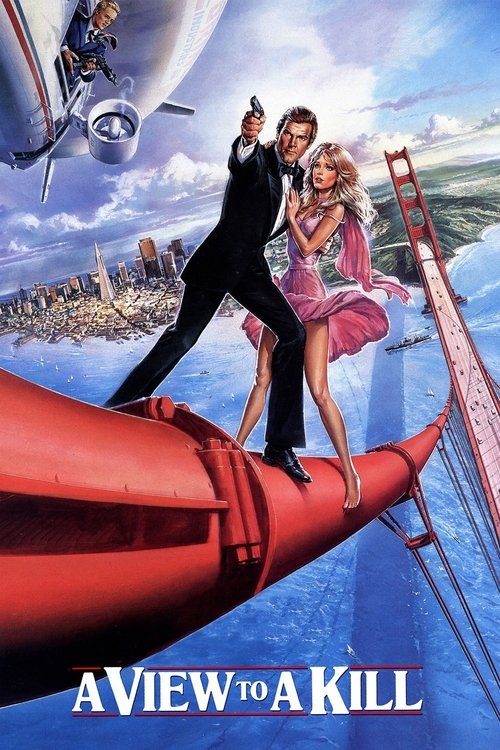
1985
PGDirector
John Glen
Runtime
131 minutes
Average Rating
No ratings yetNew Showbiz Analysis
A View to a Kill serves as a moderate example of inclusion in 1980s blockbusters. It successfully challenges traditional gender roles by giving female characters significant combat roles and professional competence. However, the film adheres closely to conventional genre structures. While it critiques corporate greed through its antagonist, it lacks the layered, multi-layered narratives found in more progressive films. The racial and cultural elements provide additional context but do not drive the central plot, which focuses on a Western protagonist and conventional hero-villain dynamics.
Category Breakdown
The film does not feature any LGBTQ+ characters or storylines that go beyond traditional heterosexual relationships.
May Day is shown as a strong physical opponent to the main character, playing a significant role in driving the story. Stacey Sutton is portrayed as a capable professional rather than a helpless figure.
The film includes a diverse supporting cast, which adds variety for a mid-1980s action film. However, these characters are often portrayed using typical era-standard formulas rather than deeper, layered identities.
The film offers a critical look at unchecked corporate power and extreme capitalism. It maintains a traditional good-versus-evil storyline centered around the state agent and the rogue capitalist.
There are no significant depictions of visible or invisible disabilities, neurodivergence, or chronic illnesses within the main character arcs.
Present on Screen
Limited or Absent
Official Synopsis
A newly-developed microchip designed by Zorin Industries for the British Government that can survive the electromagnetic radiation caused by a nuclear explosion has landed in the hands of the KGB. James Bond must find out how and why. His suspicions soon lead him to big industry leader Max Zorin who forms a plan to destroy his only competition in Silicon Valley by triggering a massive earthquake in the San Francisco Bay.
1981

1968
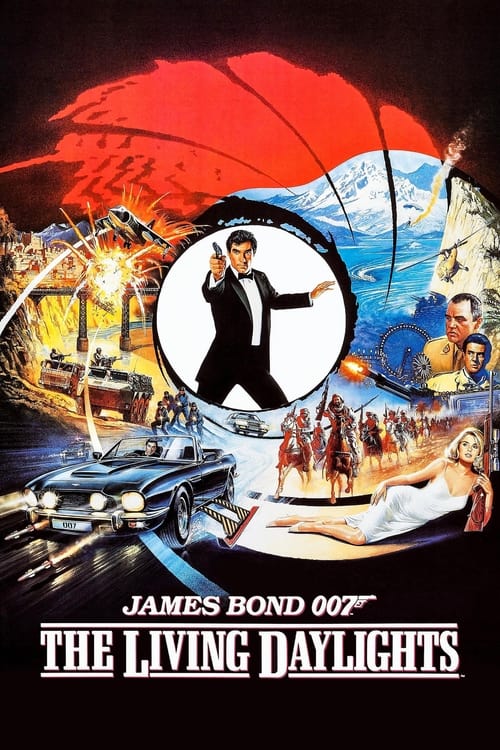
1987

1982
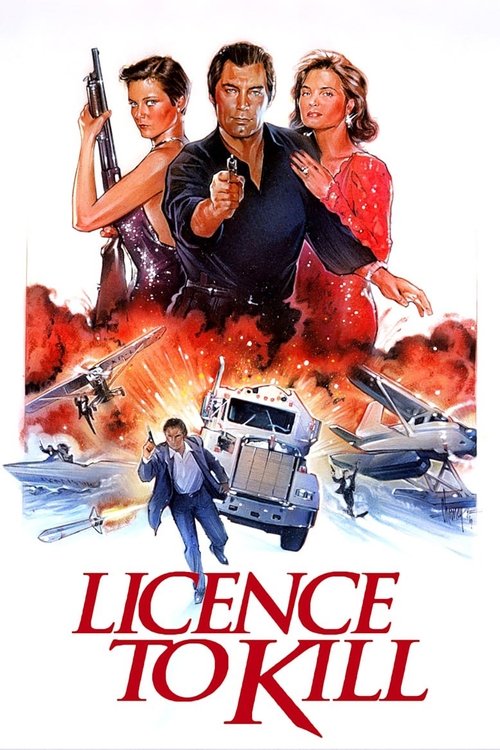
1989
1987
1983

1980
No reviews yet. Be the first to share your thoughts on this movie!
Use the rating form above to leave a star rating and optional review.