
The Living Daylights
1987
No user ratings available yet
Representation score: 1.6 out of 10

Representation Score
Minimal
1983
PGDirector
John Glen
Runtime
131 minutes
Average Rating
No ratings yetNew Showbiz Analysis
Octopussy operates within traditional cinematic structures of its time. While it presents a more capable female lead compared to many films of its era, it still adheres to established patterns of heterosexuality and Western-centric storytelling. The film uses international settings primarily for aesthetic variety but does not challenge colonial power dynamics. This results in a narrative that upholds traditional global hierarchies rather than dismantling them. Ultimately, the film prioritizes genre conventions and traditional archetypes over disrupting social hierarchies, focusing on Western intelligence and conventional romance.
Category Breakdown
The film follows traditional heterosexual norms and does not include any non-cisgender gender identities or same-sex relationships.
Octopussy breaks away from the damsel-in-distress stereotype by showcasing her intelligence and active role. However, her independence is later tied to a sexualized relationship with the male protagonist.
Although the film includes a diverse cast and sets in India, it leans heavily on Orientalist clichés. The Indian setting often serves as an exotic backdrop for Western geopolitical strategies.
The story emphasizes Western institutions as the moral guide, framing conflicts as battles between state authority and criminal elements.
There are no significant representations of disabilities that influence the plot or character development.
Present on Screen
Limited or Absent
Official Synopsis
James Bond is sent to investigate after a fellow “00” agent is found dead with a priceless Fabergé egg. Bond follows the mystery and uncovers a smuggling scandal and a Russian General who wants to provoke a new World War.
1987

1968

1981

1980
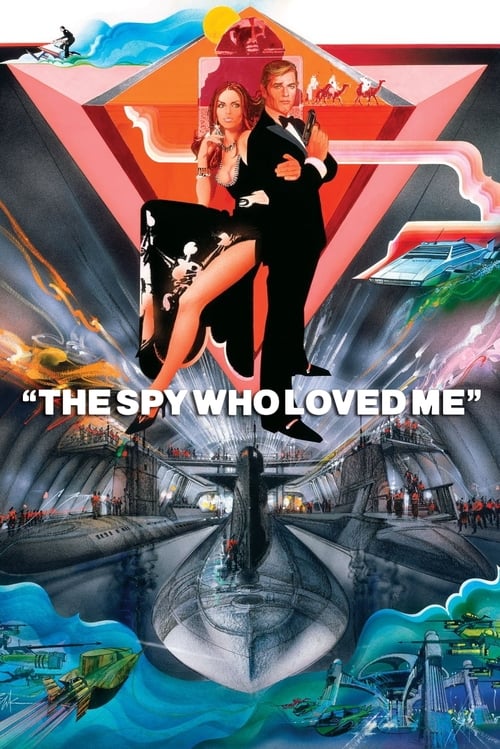
1977
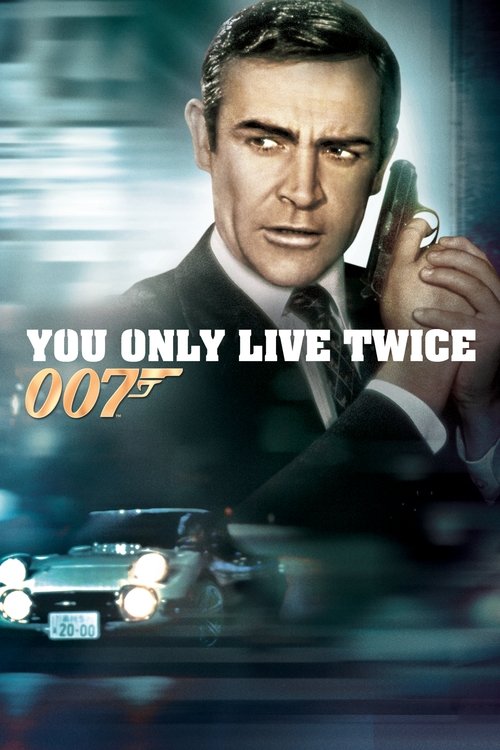
1967

1985

1982
No reviews yet. Be the first to share your thoughts on this movie!
Use the rating form above to leave a star rating and optional review.