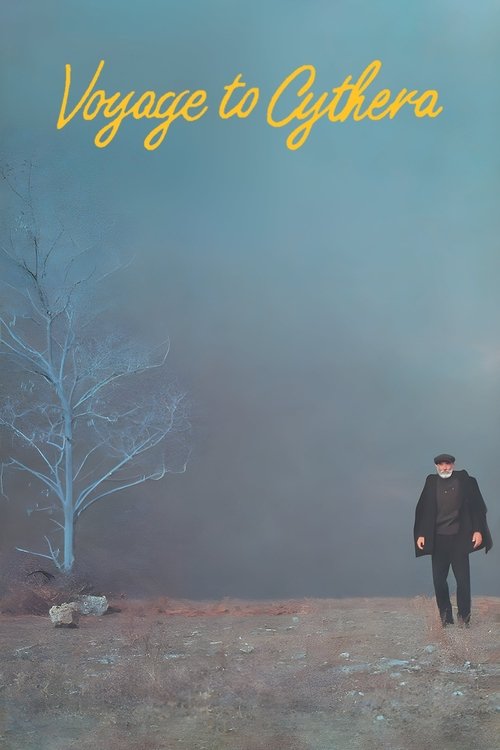
Voyage to Cythera
1984
No user ratings available yet
Representation score: 6.3 out of 10

Representation Score
Good
1985
Director
Basilio Martín Patino
Runtime
94 minutes
Average Rating
No ratings yetNew Showbiz Analysis
The film is a reflective study on disillusionment, emphasizing philosophical inquiry over traditional plot structures. It uses the translation of Hölderlin’s poetry to mirror the protagonist's quest for meaning. While the film excels in cultural critique and the intellectual journey of the female protagonist, it remains focused on the specific experiences of Spanish exiles and European political changes. The film challenges conventional storytelling by highlighting a woman's scholarly pursuits and her skepticism toward institutional stability and national identity.
Category Breakdown
The film explores non-traditional life paths and complex human connections, but it doesn't include explicit representations of non-straight or non-cisgender identities or hints at queer themes.
Charo Lopez leads the film as a strong female character who actively shapes the story rather than being passive. She navigates moral decay while maintaining her intellect and ability to act.
The narrative focuses on the psychological experiences of exiles moving between Spain and Germany. It lacks a wide range of ethnic representation.
The film provides a deep critique of post-Franco democratic institutions and nationalist myths. It questions the idea of a sacred nation-state through themes of moral relativism.
There are no prominent depictions of physical or cognitive disabilities that play a central role in the narrative.
Present on Screen
Limited or Absent
Official Synopsis
This literary film is imbued with the disenchantment of Spanish exiles who left their homes to protest Franco's fascist regime and then returned after its demise to find that democracy had not instilled either ethics or deep motivation in government leaders. Director Basilio Martin Patino presents his story, and a large part of the film is based on his own life, through the experiences of an exiled heroine played by Charo Lopez. She has returned to Spain to look for meaning in her life, something that she never found living in Germany, not even after having a child. She is also in the process of translating the German lyric poet Friederich Holderlin (see the 1985 Halfte Des Lebens) into Spanish, focusing on his epic Hyperion. Excerpts from the translation are voiced over throughout the film. As she looks up old friends from many, many years ago, even those who have achieved worldly success are suffering from the same ennui that propelled her back home.
1984
1995

1966
1959
1994
1984
1978
1989
No reviews yet. Be the first to share your thoughts on this movie!
Use the rating form above to leave a star rating and optional review.