
Turkish Passion
1994
No user ratings available yet
Representation score: 5.5 out of 10
Representation Score
Good
1974
Director
Gonzalo Suárez
Runtime
93 minutes
Average Rating
No ratings yetNew Showbiz Analysis
The film is a powerful social critique that excels in its examination of religious and patriarchal institutions. It uses the protagonist's psychological journey to challenge traditional Western moral frameworks. However, the film lacks modern demographic diversity. The setting and period-specific focus result in limited racial and LGBTQ+ representation, reflecting the social homogeneity of the depicted era. Ultimately, the film's strength lies in its intellectual depth and its ability to challenge social authority through a female-centric lens.
Category Breakdown
The story focuses on heterosexual relationships involving Ana, her husband, and her admirers. There is no depiction of non-straight relationships or same-sex intimacy.
Ana Ozores drives the plot through her internal struggles and spiritual turmoil. The film highlights the oppressive nature of male figures by portraying them as predatory or controlling.
Set in a provincial Spanish city, the film reflects the social homogeneity of its time. It lacks representation of non-white or non-Hispanic ethnicities.
The film critically examines organized religion, presenting the Church as hypocritical. It emphasizes subjective morality over traditional Christian ideals.
Ana’s psychological distress and erotic dreams are central to her character development. However, there is no specific portrayal of physical or neurodivergent disabilities as distinct identities.
Present on Screen
Limited or Absent
Official Synopsis
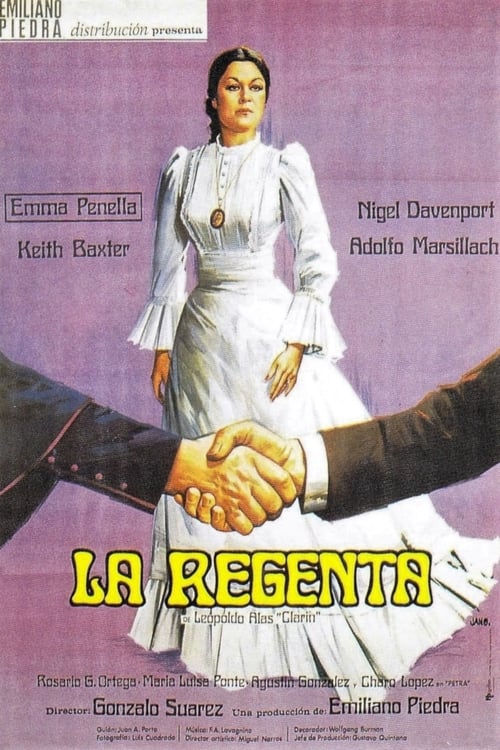
Adapted from the novel of the same name by Clarín, which narrates the difficulties of Ana Ozores to adapt to the sordidness of life in Vetusta, a provincial city of northern Spain inspired in Oviedo. The young Ana, married to a retired regent, lives oppressed by the provincial hypocrisy and the mystical fears of an absorbing religion. Sexually dissatisfied, beset by constant erotic dreams, she reveals in her confessional her intimate torments, and her confessor begins to feel a morbid passion for her. At the same time, Álvaro Mesía, a Don Juan, intends to seduce Ana.
1994
1991

1976
1962
1999

1971
1976

2000
No reviews yet. Be the first to share your thoughts on this movie!
Use the rating form above to leave a star rating and optional review.