Barcelona
1994
No user ratings available yet
Representation score: 2.0 out of 10
Representation Score
Fair
1985
RDirector
Dušan Makavejev
Runtime
98 minutes
Average Rating
No ratings yetNew Showbiz Analysis
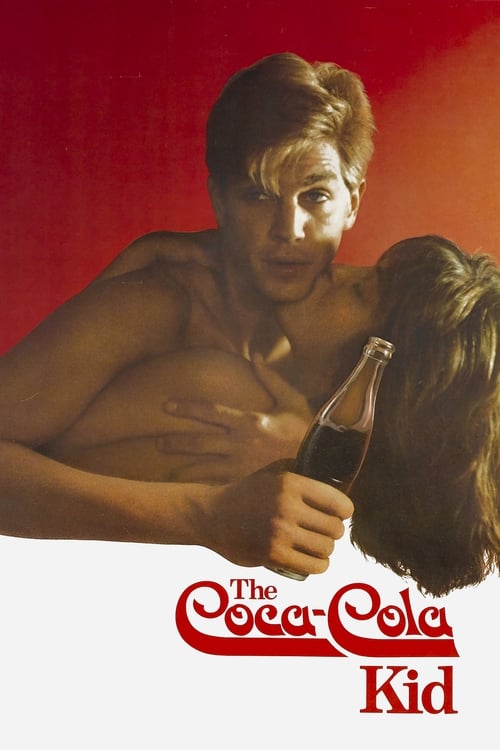
The film primarily serves as a critique of the expansion of global capitalism rather than a study of identity-based diversity. Its narrative strength lies in deconstructing capitalist structures and highlighting the tension between global interests and local autonomy. While the film lacks explicit markers for LGBTQ+ or racial representation in its core plot, it uses its setting to explore themes of cultural dominance. The struggle between the Coca-Cola subsidiary and the independent valley producer highlights the encroachment of Western commercialism. Ultimately, the work leans into cultural subversion. It replaces traditional corporate morality with an eccentric, perhaps anarchic, worldview that challenges the inevitability of market dominance.
Category Breakdown
The story focuses on a romance between the main character and his secretary, which aligns with the assumption that everyone is straight. There are no explicit LGBTQ+ characters or critiques of the idea that everyone is straight.
The relationship between the marketing expert and his secretary hints at a potential challenge to corporate hierarchies. The secretary's mysterious connections suggest she plays a significant role in driving the story, rather than being a passive subordinate.
The conflict between a global corporation and a local producer serves as a backdrop for discussing cultural dominance. However, the specific racial makeup of the cast is not mentioned.
The film strongly criticizes global capitalism and market penetration. It contrasts a large multinational company with a self-sufficient local economy, challenging the dominance of Western commercialism.
The narrative does not provide any information about characters with visible or invisible disabilities.
Present on Screen
Limited or Absent
Official Synopsis
An eccentric marketing guru visits a Coca-Cola subsidiary in Australia to try and increase market penetration. He finds zero penetration in a valley owned by an old man who makes his own soft drinks, and visits the valley to see why. After "the Kid's" persistence is tested he's given a tour of the man's plant, and they begin talking of a joint venture. Things get more complicated when the Coca-Cola man begins falling in love with his temporary secretary, who seems to have connections to the valley.
1994

1992
1985
1986
2009

1983

1988

2005
No reviews yet. Be the first to share your thoughts on this movie!
Use the rating form above to leave a star rating and optional review.