
The Dead
1960
No user ratings available yet
Representation score: 0.0 out of 10
Representation Score
Minimal
1965
Director
Stan Brakhage
Runtime
4 minutes
Average Rating
No ratings yetNew Showbiz Analysis
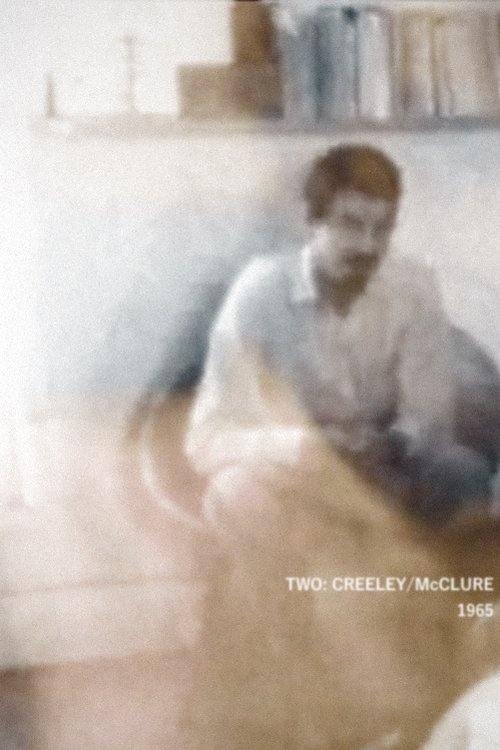
Stan Brakhage’s *Two: Creeley/McClure* is a seminal work of experimental abstraction rather than a narrative vehicle for social representation. The film's architecture is built upon light, movement, and texture rather than characterization or dialogue. Because the work prioritizes sensory experience and visual rhythm over traditional storytelling, it lacks the tools needed to engage with overlapping aspects of identity or systemic power dynamics. The film's intent is to transcend human social structures in favor of pure visual experience. Ultimately, the low diversity score reflects the film's formalist nature. It does not actively promote traditional hierarchies, but it also does not provide a platform for social or identity-based commentary.
Category Breakdown
The film does not include any representation of LGBTQ+ identities. Since it is a non-narrative study, it lacks the dialogue or romantic subplots needed to address assumptions about straight relationships.
This formalist exploration of light and texture does not have character arcs or interpersonal dynamics. Therefore, it does not engage with gendered social hierarchies or representation.
The work focuses on the rhythmic montage of two specific subjects. There is no evidence of diverse casting or the use of metaphor to address ethnic identity.
The film represents a departure from mainstream Western capitalist entertainment models through its avant-garde structure. However, it does not explicitly frame religious or political institutions.
The film does not feature characters with visible or invisible disabilities. It does not utilize disability as a narrative or visual device.
Present on Screen
Limited or Absent
Official Synopsis
Two portraits in relation to each other, the first of Robert Creeley, the second of Michael McClure. Preserved by the Academy Film Archive in 2007.
1960
1980
1962
1981
1964
1964
1967
1996
No reviews yet. Be the first to share your thoughts on this movie!
Use the rating form above to leave a star rating and optional review.