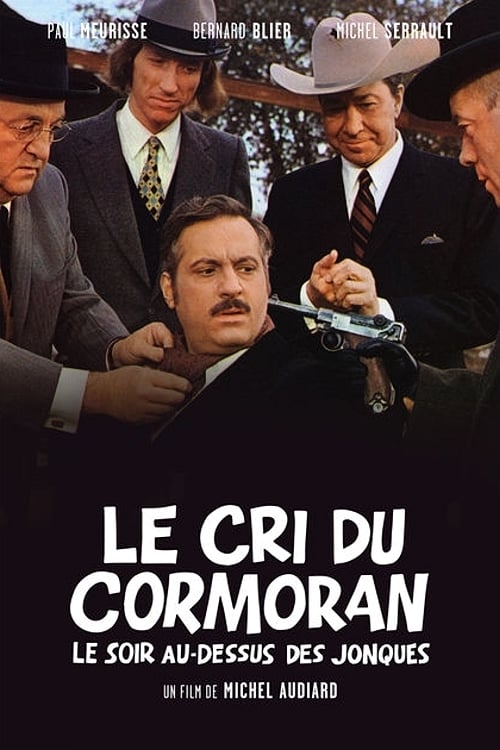
Le Cri du cormoran, le soir au-dessus des jonques
1971
No user ratings available yet
Representation score: 2.5 out of 10
Representation Score
Minimal
1973
Director
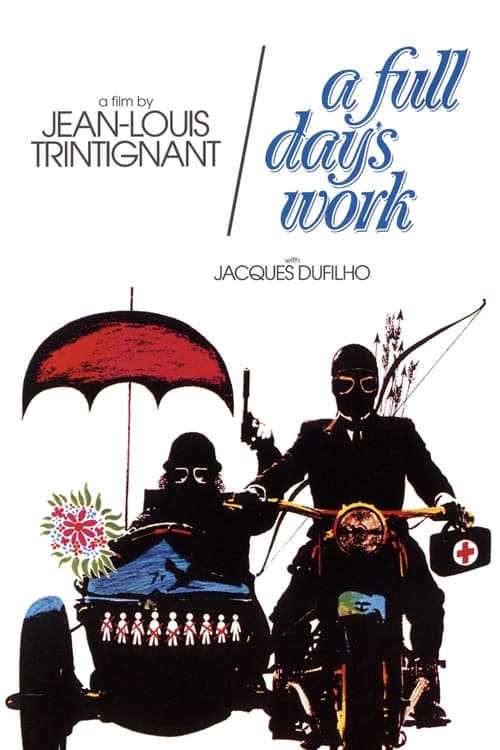
Jean-Louis Trintignant
Runtime
95 minutes
Average Rating
No ratings yetNew Showbiz Analysis
The film primarily explores an individual's struggle against systemic structures. Its strength lies in its critique of institutional authority and the deconstruction of the legal system. However, the narrative lacks specific data on demographic inclusion. The focus on a single, highly motivated protagonist leaves the broader social landscape unexplored. Overall, the film prioritizes a critique of systemic issues over identity-based representation, making it a study of social conflict rather than a diverse ensemble piece.
Category Breakdown
The film does not include any LGBTQ+ characters or stories. There are no themes related to non-straight identities.
The story focuses on a father driven by revenge, which challenges traditional ideas of fathers as supportive figures. The father character is shown as a disruptive force in society.
The racial and ethnic makeup of the cast is not specified. There is no information about multi-layered identities among the characters.
The film strongly criticizes Western legal systems and state-enforced justice. It portrays the legal system as oppressive and challenges social order.
There is no information about the portrayal of physical or neurodivergent characters. The film does not document any approach to disability.
Present on Screen
Limited or Absent
Official Synopsis
A father plans to kill in the same day the nine members of the jury who condemned his son to death.
1971

1979
1976
1980
1968
1965

1987

2023
No reviews yet. Be the first to share your thoughts on this movie!
Use the rating form above to leave a star rating and optional review.