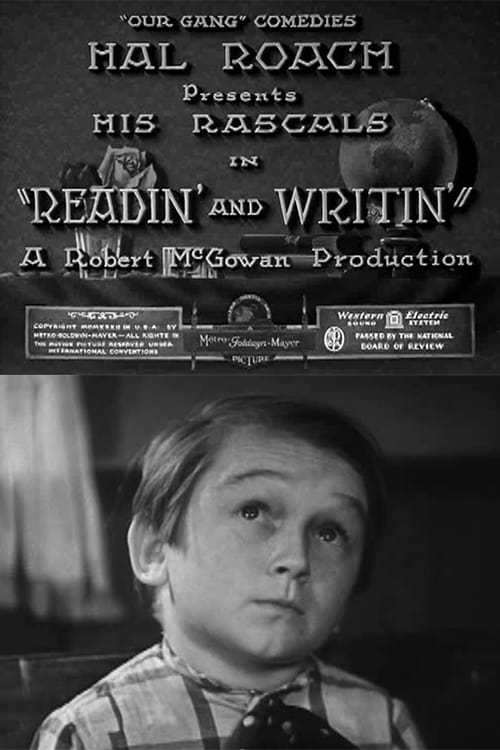
Readin' and Writin'
1932
No user ratings available yet
Representation score: 2.5 out of 10
Representation Score
Minimal
1930
NRDirector
Robert F. McGowan
Runtime
20 minutes
Average Rating
No ratings yetNew Showbiz Analysis
This 1930 comedy reflects the social norms of its time, using period-specific social expectations to generate humor. While it features a central female character, her role is defined by traditional domestic expectations rather than professional independence. The film’s most significant issue lies in its use of racial caricatures, particularly blackface and minstrelsy, which are deeply problematic and reinforce harmful stereotypes. Ultimately, the work captures early 20th-century social hierarchies, offering little in the way of inclusive or progressive representation.
Category Breakdown
The plot revolves around a comedic misunderstanding involving a potential romantic interest for the teacher. It does not address non-traditional gender identities or relationships, nor does it critique the assumption that everyone is straight or cisgender.
Miss Crabtree is the central female authority figure. However, her professional role is shaped by the societal expectation that marriage determines her career path.
The film uses harmful racial caricatures, particularly blackface and minstrelsy, which reinforce negative stereotypes and social hierarchies.
The movie promotes traditional 1930s social structures through slapstick comedy. The inclusion of racial minstrelsy is a problematic cultural marker within the film.
There are no visible or invisible disabilities portrayed with significant roles. The characters do not represent diverse physical or cognitive experiences.
Present on Screen
Limited or Absent
Official Synopsis
The schoolchildren lost their last teacher because she got married and quit her job. When the brother of their teacher Miss Crabtree comes to visit, the children mistake him for a suitor. The children tell abominable lies about Miss Crabtree to try to discourage the man. Meanwhile, one of the children is selling answers to the upcoming oral exam. Unfortunately for the students, the young entrepreneur used a book of minstrelsy and blackface as his source for the "answers".
1932
1935
1933
1933
1936
1923
1933
1937
No reviews yet. Be the first to share your thoughts on this movie!
Use the rating form above to leave a star rating and optional review.