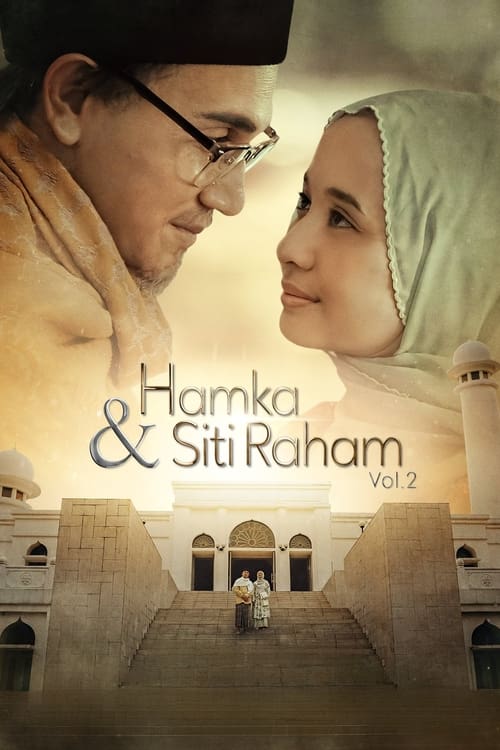
Hamka & Siti Raham Vol. 2
2023
No user ratings available yet
Representation score: 2.4 out of 10
Representation Score
Fair
2016
TV-14Director
Riri Riza
Runtime
100 minutes
Average Rating
No ratings yetNew Showbiz Analysis
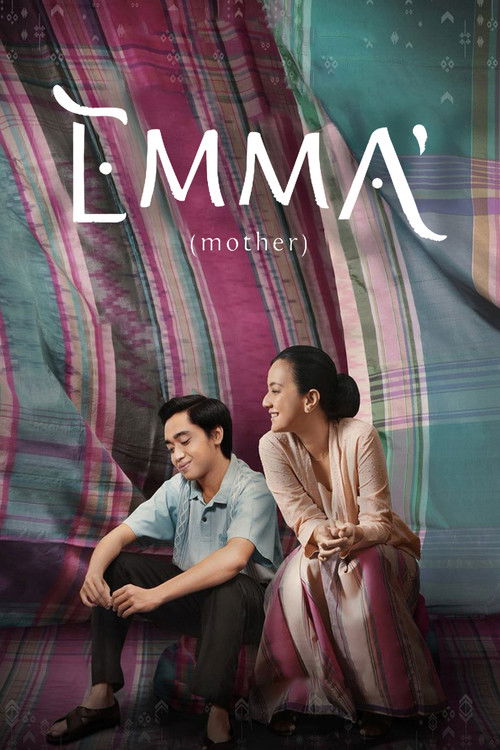
Riri Riza’s drama successfully immerses viewers in a non-Western social landscape. By focusing on Bugis culture in 1950s Makassar, the film offers an authentic regional perspective that challenges Western-centric storytelling. The film also elevates the female protagonist, positioning her as a central figure in the emotional arc. Her resilience within a patriarchal marriage provides a nuanced look at domestic power dynamics. However, the film remains rooted in traditional straight-centered structures. The absence of LGBTQ+ representation and the focus on conventional marital structures limit its exploration of broader social diversity.
Category Breakdown
The film doesn't include explicit LGBTQ+ characters or narratives that challenge the assumption that everyone is straight or cisgender. The central conflict revolves around traditional family structures and marital issues.
The story emphasizes the female experience and the role of a mother within a patriarchal society. Women are portrayed as the main drivers of the emotional journey.
The film highlights the regional identity of Indonesia through its 1950s Makassar setting. It focuses on local cultural authenticity and Bugis traditions.
The narrative explores the tension between personal emotions and traditional social structures. It delves into the complexities of family expectations and social roles.
There is no mention of physical or neurodivergent disabilities in the film.
Present on Screen
Limited or Absent
Official Synopsis
In 1950s Makassar, the life of a devoted mother is upended when another woman enters her husband's life.
2023
1982
2017

1957
2005
2015
1995
2010
No reviews yet. Be the first to share your thoughts on this movie!
Use the rating form above to leave a star rating and optional review.