Veer-Zaara
2004
No user ratings available yet
Representation score: 3.0 out of 10
Representation Score
Limited
2003
Runtime
150 minutes
Average Rating
No ratings yetNew Showbiz Analysis
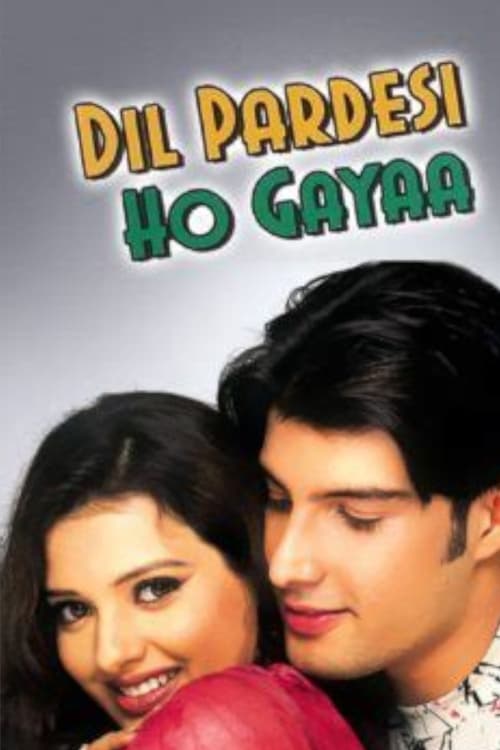
Dil Pardesi Ho Gayaa is a conventional romantic drama that relies on traditional social hierarchies and straight-centered romance. The narrative structure emphasizes established clichés of heroism and familial loyalty. While the film introduces tension through cross-border interactions, it primarily serves to reinforce rather than challenge the socio-cultural norms of its time. It uses nationalism and religious identity as conventional dramatic tools. Ultimately, the film adheres to the commercial genre conventions of early 2000s South Asian cinema, focusing on individual desires clashing with community expectations without offering systemic critiques.
Category Breakdown
The film focuses on a heterosexual relationship between Salman and Ruksar. There is no depiction of same-sex relationships or non-binary gender identities.
The story emphasizes masculine roles through the male protagonist's physical rescue mission. Ruksar serves as a romantic catalyst rather than an independent character.
The film explores cross-border dynamics between India and Pakistan through romantic elopement. It uses nationalism to bridge national divides.
The narrative uses religious identity and patriotism as primary sources of dramatic tension. It reinforces communal structures without critiquing underlying institutions.
There is no portrayal of visible or invisible disabilities as central plot elements or with significant roles.
Present on Screen
Limited or Absent
Official Synopsis
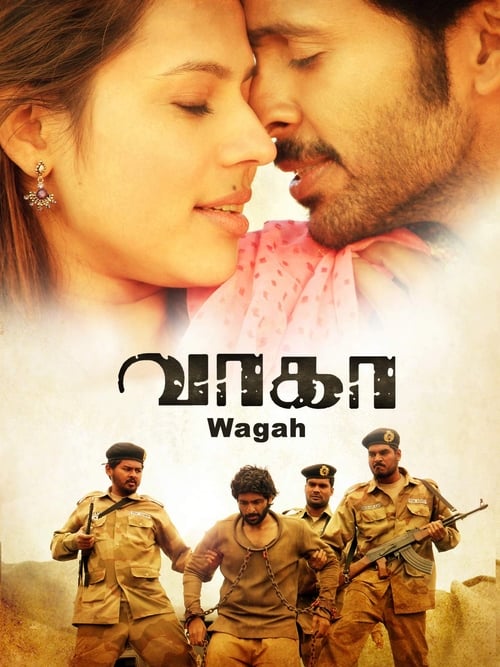
Major Ram is one of the few soldiers from the Indian Army who have been held captive in Pakistan, following the war with India. The Indian army and politicians are unable to make any decision so as not to jeopardize the lives of the captives. Major Ram's brother, Arjun, alias Sunny decides to take it upon himself to enter Pakistan and get his brother free. He now calls himself Salman. On the way he meets with beautiful Ruksar and both fall in love with each other. Unfortunately for them, they cannot be married, so they elope, leading to an unrest within their community, and a hunt is on for them. Salman and Ruksar chance upon the prison camp that is housing Ram, and do get him free, only to find themselves trapped by Pakistani Jihaadis and soldiers.
2004
1991
2001
2006
2016
2011
2007
2005
No reviews yet. Be the first to share your thoughts on this movie!
Use the rating form above to leave a star rating and optional review.