Veer-Zaara
2004
No user ratings available yet
Representation score: 3.0 out of 10
Representation Score
Fair
2007
RDirector
Vic Sarin
Runtime
116 minutes
Average Rating
No ratings yetNew Showbiz Analysis
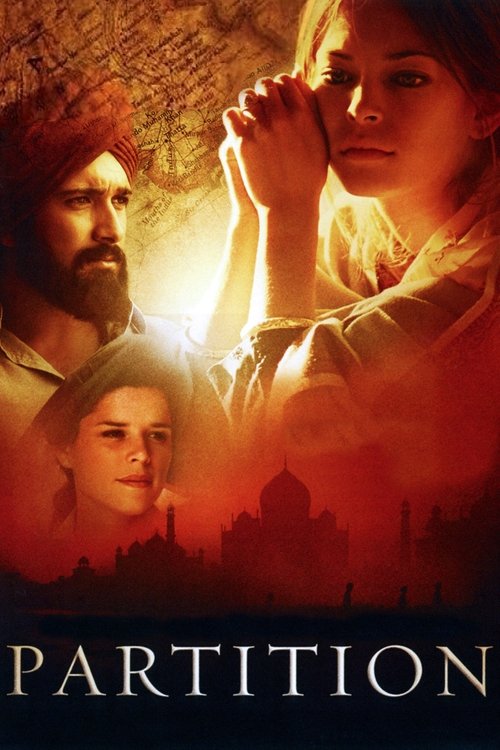
Partition serves as a critique of colonial influence, focusing on the complex religious and ethnic identities of the South Asian region. By highlighting Sikh, Hindu, and Muslim experiences, it avoids a singular perspective on the 1947 crisis and challenges Western-centric historical narratives. However, the film struggles with gender dynamics, often portraying women as passive victims rather than active participants in their own liberation. While the portrayal of trauma is integral to the plot, it functions more as a symptom of displacement than a deep exploration of mental health or disability.
Category Breakdown
The film does not include any LGBTQ+ characters. The story centers on the disruption of communal and family structures due to geopolitical crises.
Women are shown mainly as victims of communal violence. They are often portrayed as needing protection rather than being active agents of their own liberation.
The film offers a detailed look at Sikh, Hindu, and Muslim identities. It prioritizes the South Asian perspective to challenge Western-centric historical views.
The story criticizes the colonial administration and the instability caused by borders established by the British Raj. It examines how systemic failures contribute to widespread violence.
Psychological trauma is used as a narrative tool to highlight the horrors of war. However, it does not delve into the study of neurodivergence or disability empowerment.
Present on Screen
Limited or Absent
Official Synopsis
Determined to leave the ravages of war behind, 38 year old Gian Singh resigns from the British Indian Army to a quiet life. His world is soon thrown in turmoil, when he suddenly finds himself responsible for the life of a 17 year old girl, traumatized by the events that separated her from her family.
2004

2004
2005

2007

2003

2005

2005
2004
No reviews yet. Be the first to share your thoughts on this movie!
Use the rating form above to leave a star rating and optional review.