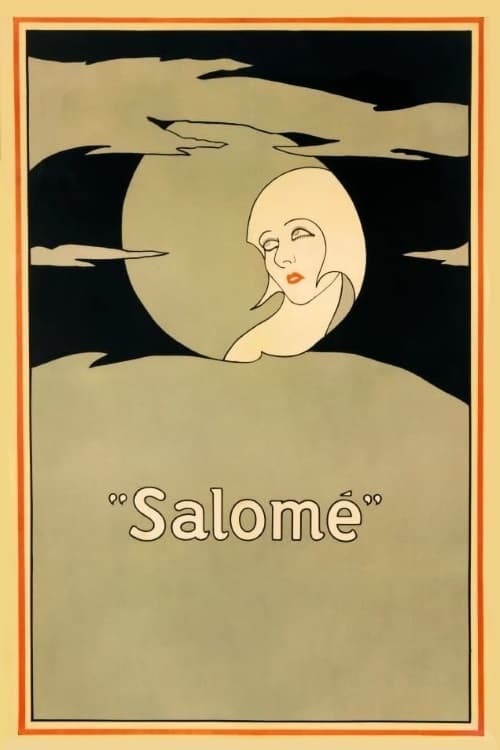
Salomé
1923
No user ratings available yet
Representation score: 6.5 out of 10
Representation Score
Fair
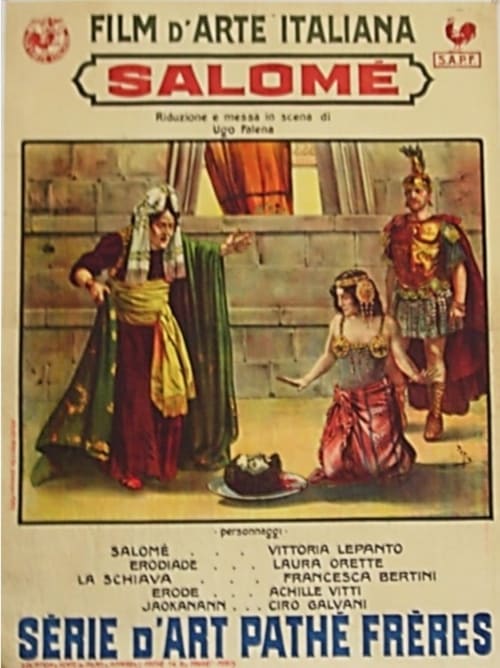
1910
Director
Ugo Falena
Runtime
12 minutes
Average Rating
No ratings yetNew Showbiz Analysis
Ugo Falena’s 1910 adaptation serves as a visual bridge between classical drama and modernism. It employs a decadent, stylized architecture to challenge the rigid social hierarchies of the early 20th century. The film's strength lies in its commitment to a transformed visual style that mirrors Aubrey Beardsley’s illustrations. By centering a narrative of intense, individualized desire, it disrupts conventional storytelling expectations. However, the work remains a product of its time, particularly in its reliance on Orientalist aesthetics to construct its setting. While it avoids a homogenous Western domesticity, it does so through a lens of stylized exoticism.
Category Breakdown
The film carries the underlying themes of Oscar Wilde’s foundational queer literature. Though there is no explicit depiction of queer intimacy, the production focuses on a non-conformist aesthetic that hints at themes beyond Victorian social norms.
Salomé emerges as a strong protagonist whose personal desires challenge patriarchal structures. Her independence and self-determination drive the plot, moving away from submissive feminine roles to a character defined by her own impulses.
The production uses an Orientalist aesthetic, featuring palm trees and ornate courtiers to create a non-Western setting. However, this reflects the era's tendency towards exoticism rather than achieving true racial diversity.
By adapting Wilde, the film emphasizes aestheticism and individual impulse over traditional Christian morality. The setting depicts a world governed by decadence and ritual rather than Western institutional stability.
There is no documented evidence regarding the portrayal of physical or neurodivergent disabilities within this film.
Present on Screen
Limited or Absent
Official Synopsis
Based on Oscar Wilde's version of the story, what is noteworthy is the sheer luxury of the production, an attempt to capture the wild and weird Aubrey Beardsley illustrations that transfigure the work. The sets are elaborate, with stonework and palm trees and draperies. There seem to be dozens of dress extras, courtiers at Salome's dance and soldiers.
1923
2016
1925
1969

1972
2019
1924

1919
No reviews yet. Be the first to share your thoughts on this movie!
Use the rating form above to leave a star rating and optional review.