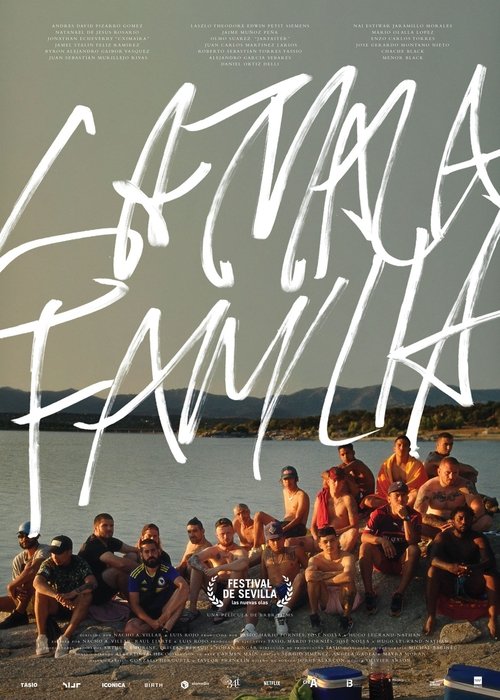
The Bad Family
2021
No user ratings available yet
Diversity score: 5.4 out of 10
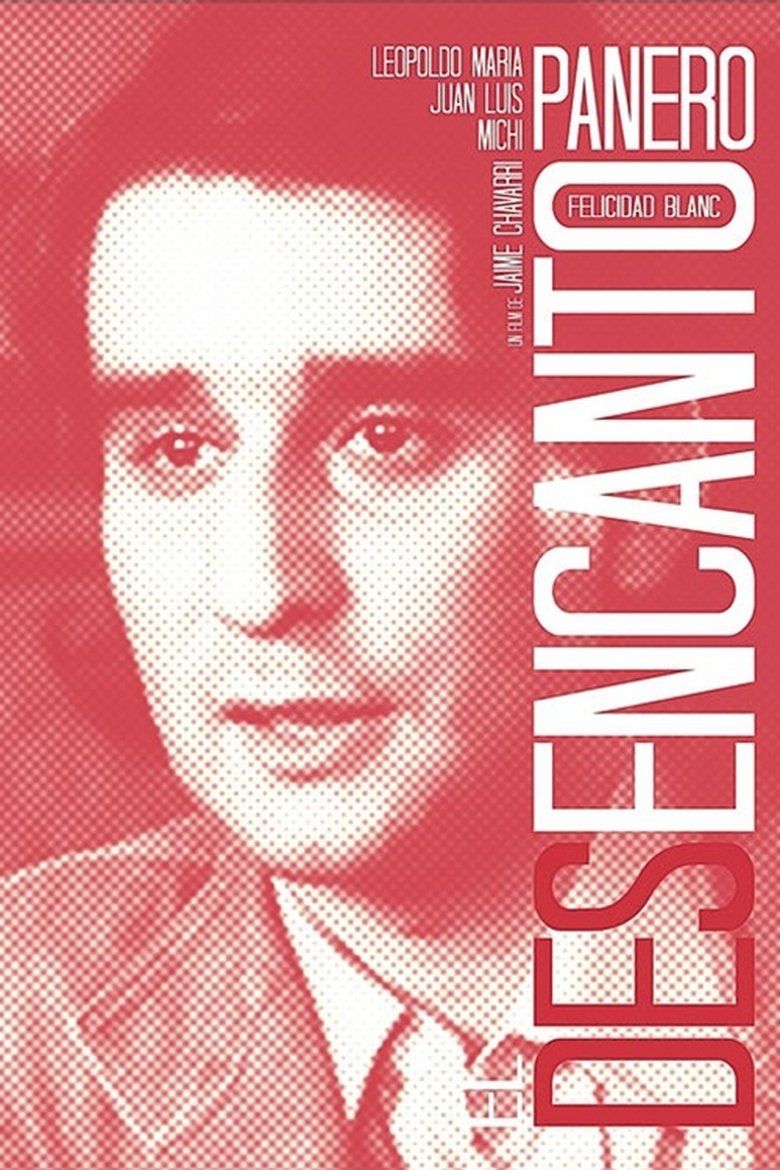
1976
Director
Jaime Chávarri
Runtime
97 minutes
Average Rating
No ratings yetSynopsis
This film is a documentary about the poet Leopoldo Panero. His widow and his sons talk about death in general in this special case, and also about their own family problems.
Overall Score
Fair
Category Breakdown
LGBTQ+ Representation
The film lacks LGBTQ+ characters or narratives. It focuses on biographical and familial structures within a traditional framework.
Gender Representation
The narrative explores the psychological fallout of a patriarchal family structure. It examines the impact of these hierarchies on the widow and sons through a traditional lens.
Racial & Ethnic Diversity
The film engages with post-colonial themes and socioeconomic divides. It disrupts homogeneous depictions of identity by exploring tensions between the landed class and indigenous populations.
Religious & Cultural Diversity
The work critiques established social and institutional structures. It examines the friction between tradition and modernity through a lens of moral relativism and colonial legacies.
Disability Representation
There is no evidence of characters with visible or invisible disabilities. The film focuses on psychological descent rather than specific disability representation.
Strengths
Areas for Improvement
AI Analysis
The film excels as a piece of social critique, using a documentary lens to dismantle national myths and traditional hierarchies. Its strength lies in its sophisticated interrogation of post-colonial identity and class tensions. However, the work remains limited by its narrow focus on traditional familial and patriarchal structures. It lacks representation for LGBTQ+ identities and does not address disability as a central narrative element. Ultimately, the film is a nuanced study of systemic fractures, prioritizing cultural and racial complexity over a broad spectrum of identity representation.
2021
1971

2018
2001
1981
2006
2019
1983
2011
2014
No reviews yet. Be the first to share your thoughts on this movie!
Use the rating form above to leave a star rating and optional review.