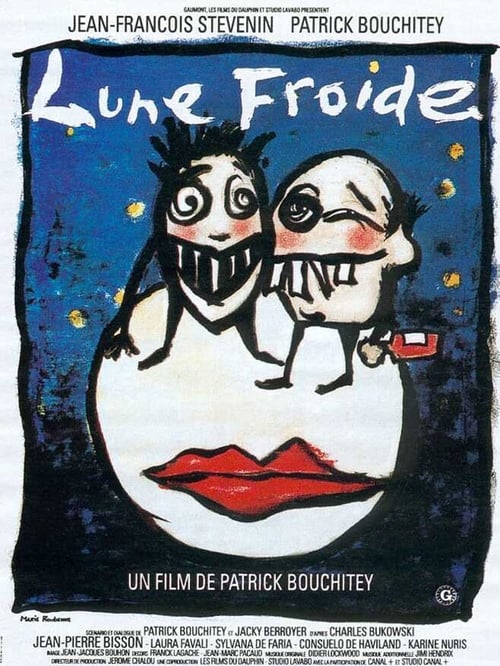
Cold Moon
1991
No user ratings available yet
Diversity score: 4.4 out of 10
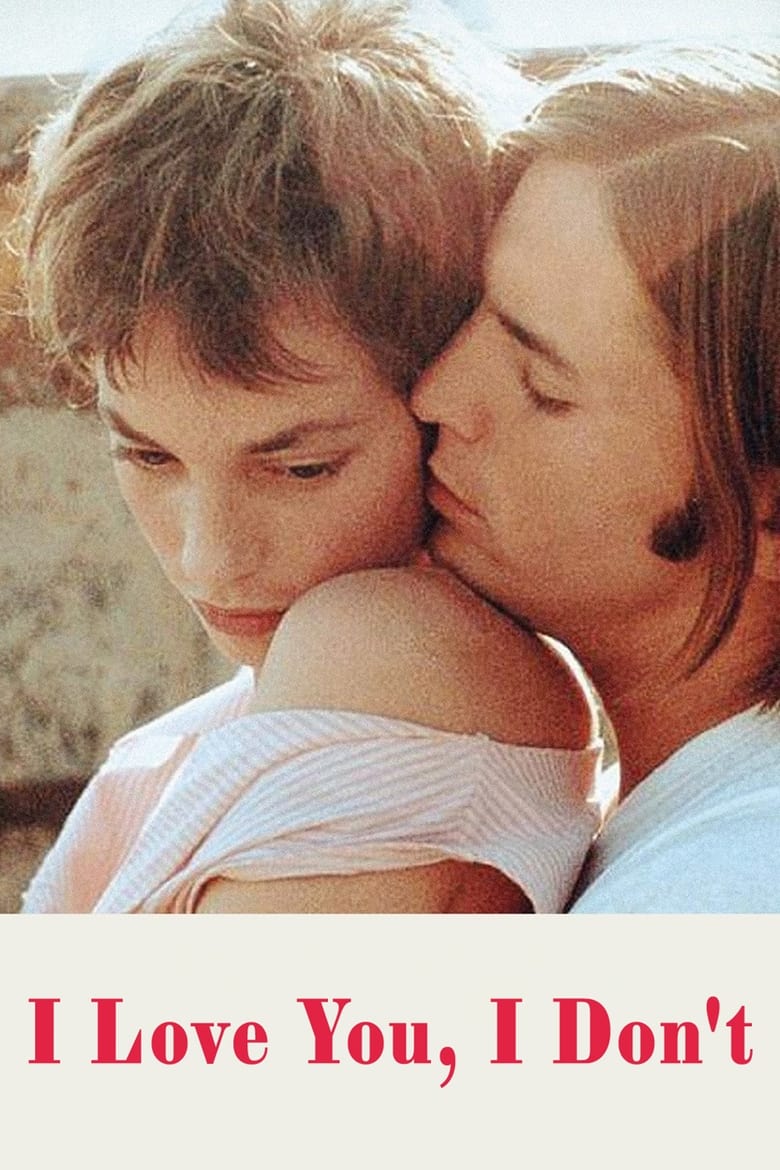
1976
RDirector
Serge Gainsbourg
Runtime
88 minutes
Average Rating
No ratings yetSynopsis
The petite waitress Johnny works and lives in a truck-stop, where she's lonely and longs for love. She develops a crush on the garbage truck driver Krassky, although her sleazy boss Boris warns her that he's gay.
Overall Score
Fair
Category Breakdown
LGBTQ+ Representation
The film mentions non-heteronormative identities through Boris, who identifies Krassky as gay. However, this serves as a device for social friction rather than a nuanced exploration of queer agency.
Gender Representation
The narrative is heavily centered on the male gaze, often positioning female characters within highly sexualized frameworks. Women frequently lack intellectual or systemic agency, appearing instead as subjects of impulse.
Racial & Ethnic Diversity
The cast appears largely homogeneous, reflecting the standard demographics of 1970s French cinema. There is no evidence of non-white representation or attempts to diversify the visual landscape.
Religious & Cultural Diversity
The film excels by rejecting traditional Christian morality in favor of a secular, hedonistic worldview. It challenges the sanctity of the nuclear family through a lens of moral relativism.
Disability Representation
There is no evidence of characters with visible or invisible disabilities within the narrative.
Strengths
Areas for Improvement
AI Analysis
Serge Gainsbourg’s work functions as a study in postmodern eroticism, prioritizing sensory exploration over conventional ethical frameworks. The film succeeds in deconstructing traditional social and religious hierarchies, offering a provocative, secular worldview that rejects standard moral condemnation. However, the film remains tethered to restrictive power dynamics. It relies heavily on the objectification of women and lacks intersectional depth, particularly regarding racial diversity. While it disrupts romantic tropes, it does so through a lens that often reinforces traditional gendered hierarchies. Ultimately, the film is a fragmented exploration of individual desire. It trades social responsibility for a study of neuroses and sexual obsession, making it a culturally disruptive but demographically narrow piece of cinema.
1991

1975

1977
1975
1981
1971
1987

1980
1972

1991
1988

1969
No reviews yet. Be the first to share your thoughts on this movie!
Use the rating form above to leave a star rating and optional review.