Marianne Bouquet
1972
No user ratings available yet
Representation score: 3.7 out of 10
Representation Score
Limited
1968
RDirector
Joseph W. Sarno
Runtime
85 minutes
Average Rating
No ratings yetNew Showbiz Analysis
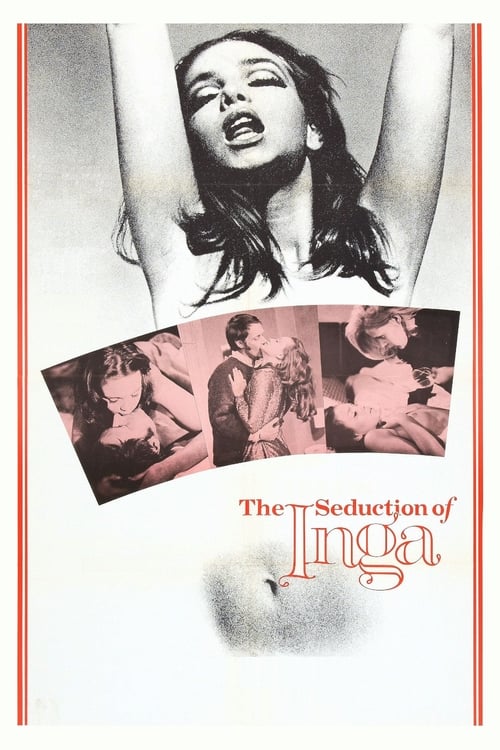
The film serves as a psychological study of gendered autonomy, moving away from the passive female roles common in the 1960s. Inga is defined by her own sensory and emotional experiences rather than domestic roles. However, the production is limited by a lack of LGBTQ+ and racial diversity. The cast remains a homogeneous European group, and the romantic dynamics are strictly heterosexual. Ultimately, the film's strength lies in its deconstruction of traditional sexual norms. It trades societal conformity for a character-driven exploration of individualistic impulses and personal autonomy.
Category Breakdown
The film focuses solely on heterosexual relationships and does not include any queer narratives or non-cisgender identities.
The movie centers on Inga's personal autonomy and her ability to drive the story. It challenges the submissive femininity expected in the 1960s by prioritizing her subjective desires.
The cast is a homogeneous European ensemble with no significant racial diversity or actors from different backgrounds.
The story aligns with mid-century sexual liberation by emphasizing individual desire over religious frameworks. It does not offer a broader socio-political critique of Western institutions.
There are no visible or invisible disabilities portrayed as central to the character development or the narrative arc.
Present on Screen
Limited or Absent
Official Synopsis
After her boyfriend leaves her alone and penniless, Inga can only long for the love of another man devoted to satisfying her body and soul. Rolf, a young pop singer and musician, tries his best to seduce her, but she ultimately falls for Stig - a dashing older man and writer. Stig owns a beautiful villa, and Inga gladly becomes his personal secretary - and lover. When business takes Stig away, Inga's loneliness and unfulfilled sensual desires lead her straight into the arms and bed of Rolf. As passions surge and forbidden lust is embraced, Inga will be forced to confront a shocking secret and reconcile an aching heart with a tireless young body that can't say no.
1972

1980

1968
1956
1973
1968
1968
1969
No reviews yet. Be the first to share your thoughts on this movie!
Use the rating form above to leave a star rating and optional review.