
The Undefeated
1969
No user ratings available yet
Representation score: 2.6 out of 10
Representation Score
Limited
1954
NRDirector
Robert Aldrich
Runtime
94 minutes
Average Rating
No ratings yetNew Showbiz Analysis
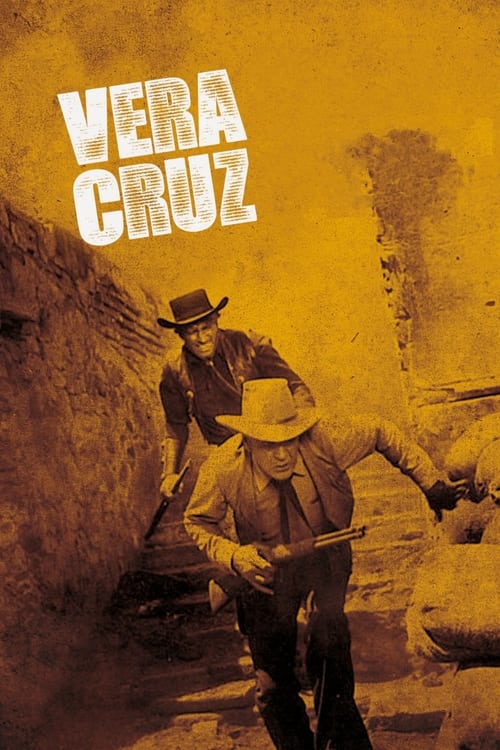
Vera Cruz acts as a transitional Western that challenges the rigid moral certainties typical of its time. Its strength lies in focusing on the clash between established Western identities and a volatile, revolutionary environment. The film's sophistication comes from its deconstruction of the 'tourist gaze' and its refusal to offer a single authoritative viewpoint. By emphasizing the breakdown of traditional social structures, it provides a nuanced critique of systemic change. However, the film remains confined by the limitations of its era, lacking the modern breadth of diverse representation, particularly in terms of LGBTQ+ identities and disability.
Category Breakdown
The film does not feature any LGBTQ+ characters. Relationships focus solely on heterosexual dynamics between men and women.
Countess Marie Duvarre breaks traditional gender roles by playing a significant role in driving the plot. She leverages her social standing and sensuality to influence the story rather than being a passive figure.
The story highlights the contrast between American characters and the Mexican population. Despite using an exotic setting, it delves into the tension between foreign visitors and locals.
The film questions the moral superiority of Western travelers by contrasting their expectations with Mexico's revolutionary changes. It portrays social upheaval as an inevitable outcome of systemic issues.
No visible or invisible disabilities are shown as central to the character arcs or the narrative development.
Present on Screen
Limited or Absent
Official Synopsis
After the American Civil War, mercenaries travel to Mexico to fight in their revolution for money. The former soldier and gentleman Benjamin Trane meets the gunman and killer Joe Erin and his men, and together they are hired by the Emperor Maximillian and the Marquis Henri de Labordere to escort the Countess Marie Duvarre to the harbor of Vera Cruz.
1969
1965
1973
1970
2007
1970

1972

1967
No reviews yet. Be the first to share your thoughts on this movie!
Use the rating form above to leave a star rating and optional review.