Breath of Freedom
2014
No user ratings available yet
Representation score: 4.2 out of 10
Representation Score
Fair
1948
Director
Leo Hurwitz
Runtime
71 minutes
Average Rating
No ratings yetNew Showbiz Analysis
Leo Hurwitz utilizes a hybrid documentary style, blending dramatized sequences with newsreel footage to interrogate systemic power. The film serves as a sophisticated social critique of post-war America, intentionally disrupting the era's celebratory national narratives. By centering the lived realities of underrepresented groups, the film challenges the monolithic social cohesion often presented in mid-century media. However, its scope is specialized, lacking explicit focus on LGBTQ+ or disability representation.
Category Breakdown
The film does not explicitly address LGBTQ+ identities. Its main focus is on racial hierarchies.
The documentary critiques post-war social structures, suggesting a departure from idealized depictions of domestic life. While specific gendered character arcs are not confirmed, the film addresses systemic hierarchies.
The film centers the experiences of underrepresented racial groups to challenge white-centric perspectives. It uses newsreel footage to actively expose and critique racial hierarchies.
The work targets the failures of Western institutions to uphold ideals of equality. It prioritizes social realism over traditional, patriotic myth-making through dramatized scenes.
Specific details regarding the representation of neurodivergence or physical disability are not present in the film's documentation.
Present on Screen
Limited or Absent
Official Synopsis
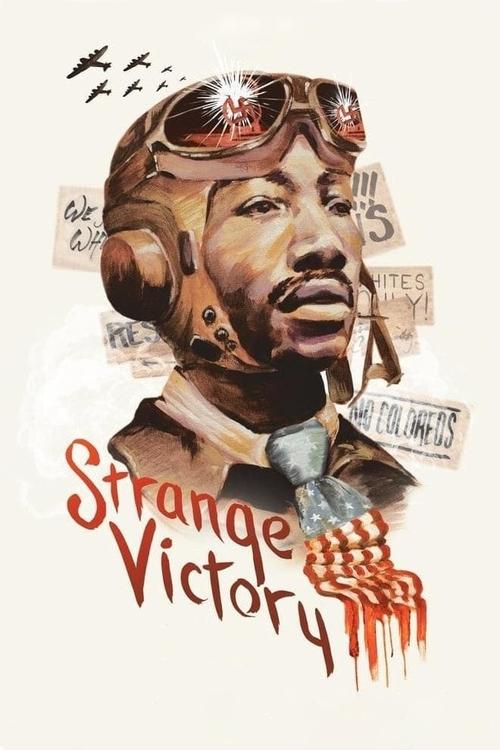
Strange Victory" is about racial bias in post World War II America. Following "Native Land" in Leo Hurwitz' filmography, it uses some of the same techniques: dramatized scenes interspersed with scenes of compilation news reel footage, and scenes of evocative imagery.
2014

1935

1945
1951

1944

2009

1938
2005
No reviews yet. Be the first to share your thoughts on this movie!
Use the rating form above to leave a star rating and optional review.