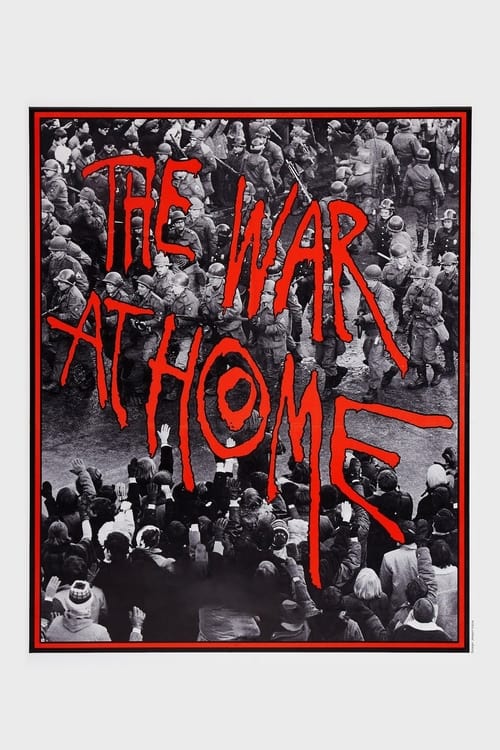
The War at Home
1979
No user ratings available yet
Representation score: 7.6 out of 10
No Poster Available
Representation Score
Limited
2005
PG-13Director
Robert Kenner
Runtime
82 minutes
Average Rating
No ratings yetNew Showbiz Analysis
The film opens with the stark reality of the Battle of Ong Thanh, where 61 young men died in an ambush that was later concealed by the military. It cuts to Madison, Wisconsin, where students protest the presence of Dow Chemical recruiters, linking the battlefield to the boardroom. The sold meaning is clear: institutional lies and corporate greed drive the war, while the individual—soldier or student—bears the cost. The camera lingers on the faces of the survivors, treating their testimony as the moral core. The ending does not offer a neat resolution but leaves the viewer with the unresolved tension of a nation at war with itself. The film’s argument is that truth is buried by procedure, and the price of seeing it is high.
Category Breakdown
No queer characters appear in this 1967 recount. The narrative tracks only heterosexual male soldiers and student activists. The film’s historical scope leaves no room for identity exploration beyond the binary.
Male soldiers and student leaders occupy the moral center. Women appear only as background figures or brief interview subjects. The documentary reinforces a male-centric view where men make decisions and pay the ultimate price.
Michael Hagiwara, an Asian-American veteran, provides the primary voiceover. On-screen combatants and protesters are predominantly white, reflecting the era’s demographics. Hagiwara offers a non-white lens, but the visual record remains largely homogeneous.
The film critiques the Vietnam War and Dow Chemical’s role. It does not challenge the broader military-industrial complex beyond specific corporate actors. Institutional power is the antagonist, rewarding the dissenting student and the confused soldier.
No characters with disabilities are featured or discussed. The film focuses on physical combat and political protest. Disability is entirely absent from the historical and personal accounts presented.
Present on Screen
Limited or Absent
Official Synopsis
Based on David Maraniss's book They Marched into Sunlight, a documentary telling the story of two seemingly unconnected events in October 1967 that changed the course of the Vietnam War. Whilst a US battalion unwittingly marched into a Viet Cong ambush which killed 61 young men, half a world away angry students at the University of Wisconsin were protesting the presence of Dow Chemical recruiters on campus. (Storyville)
1979
2015
2004
1968
2010
1971

1970
1972
No reviews yet. Be the first to share your thoughts on this movie!
Use the rating form above to leave a star rating and optional review.