An Arcadian Maid
1910
No user ratings available yet
Representation score: 0.9 out of 10
Representation Score
Minimal
1914
Director
Baldassarre Negroni
Runtime
65 minutes
Average Rating
No ratings yetNew Showbiz Analysis
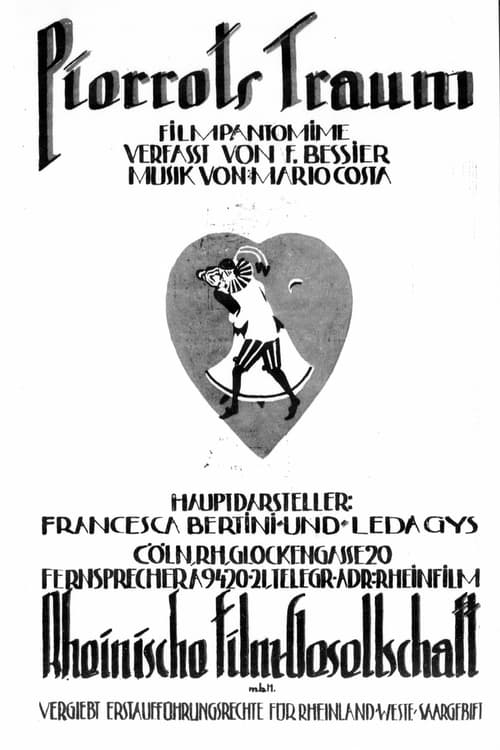
Pierrot the Prodigal is a product of its era, adhering closely to the social and demographic norms of early Italian silent cinema. It relies heavily on traditional moral archetypes, particularly the struggle between innocence and vice. The film's most notable feature is its gender-bending casting. By placing a major female star in the role of Pierrot, the film disrupts the era's standard masculine protagonist archetypes, providing a unique subversion of gendered expectations. However, the film remains limited by a lack of racial, disability, or LGBTQ+ representation. It operates within a narrow, homogeneous, and traditional framework typical of the period's storytelling.
Category Breakdown
The film does not include any characters with non-cisgender identities or same-sex relationships. The plot revolves around a traditional romantic conflict between Pierrot and Louisette.
Francesca Bertini's casting as Pierrot challenges traditional gender roles by placing a female star in the role of a naive protagonist. However, the male antagonist's behavior reinforces conventional power dynamics.
The film reflects the homogeneous demographic norms of early 20th-century Italian cinema. There is no evidence of racial diversity or varied casting.
The story serves as a moral cautionary tale focusing on vice and corruption. It uses a singular moral hierarchy without exploring complex cultural or systemic perspectives.
The film does not include any characters with visible or invisible disabilities. The narrative centers on the moral struggle between the protagonist and antagonist.
Present on Screen
Limited or Absent
Official Synopsis
A example of female fantasy is L'Histoire d'un Pierrot (1913), based on a musical pantomime by Mario Costa with Francesca Bertini in the role of Pierrot and Leda Gys as Louisette. The young and naive Pierrot is led astray by the evil wine merchant Pochinet (Emilio Ghione). He hopes to distract Pierrot with drinking and gambling while he tries to seduce Louisette.
1910

1930
1916
1931

1929

1924

1907

1928
No reviews yet. Be the first to share your thoughts on this movie!
Use the rating form above to leave a star rating and optional review.