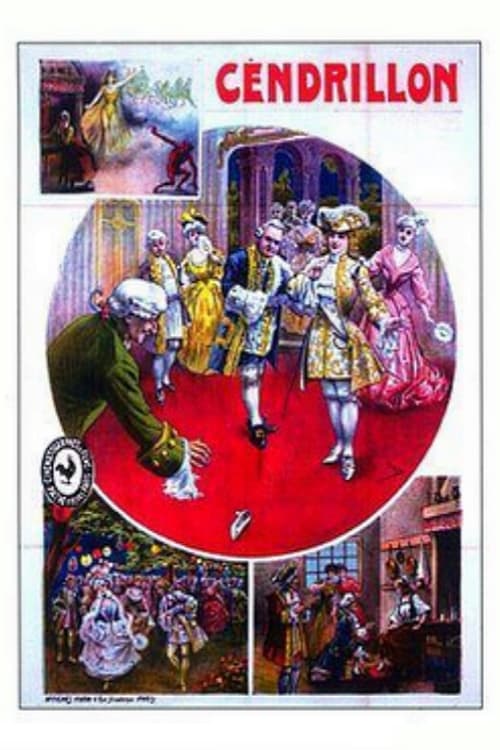
Cinderella or the Glass Slipper
1907
No user ratings available yet
Representation score: 0.3 out of 10

Representation Score
Minimal
1907
Director
Albert Capellani
Runtime
8 minutes
Average Rating
No ratings yetNew Showbiz Analysis
Harlequin's Story is shaped by its era, relying on established romantic and class-based archetypes. The plot functions as a fantasy adventure that emphasizes a heroic underdog narrative over social complexity. While the film provides a mild critique of aristocratic decadence, it does not delve into multi-layered themes. The portrayal of women is limited by the passive role of the female protagonist. Overall, the film lacks diverse casting and challenges to traditional identity norms, staying true to early 20th-century cinematic conventions.
Category Breakdown
The story revolves around a traditional romantic relationship between a servant and his girlfriend. There are no queer subtexts or non-straight identities in the narrative.
The film employs the 'damsel in distress' cliché, making the female lead passive after she is turned into a mechanical doll. The male hero drives the action, reinforcing traditional gender roles.
The narrative focuses on class-based stereotypes rather than ethnic diversity. The casting seems to follow the homogeneous standards of early 20th-century European cinema.
The film critiques power by depicting the aristocracy as decadent and dehumanizing. It offers a glimpse into institutional corruption through a romanticized adventure setting.
None of the characters have physical or neurodivergent disabilities. The mechanical doll serves as a fantasy element rather than exploring bodily autonomy.
Present on Screen
Limited or Absent
Official Synopsis
Polichinelle the servant (called Harlequin in the English language version) rescues his girlfriend from a gang of decadent aristocrats, who have transformed her into a mechanical doll.
1907

1928

1923

1907
1906
1919
1901

1901
No reviews yet. Be the first to share your thoughts on this movie!
Use the rating form above to leave a star rating and optional review.