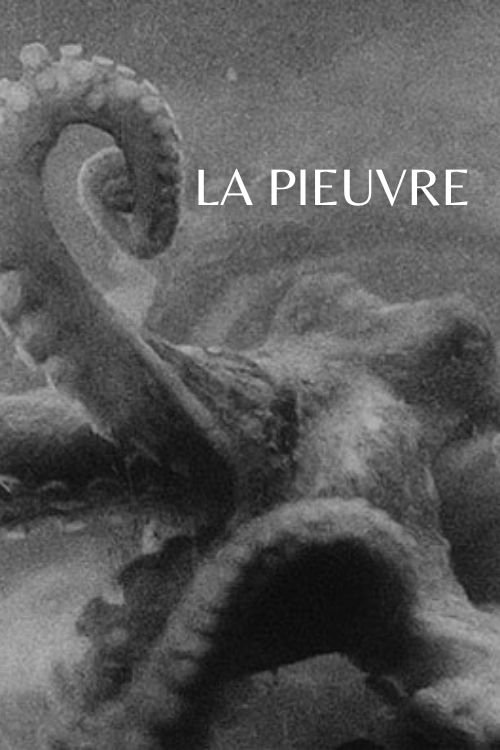
The Octopus
1928
No user ratings available yet
Representation score: 0.6 out of 10

Representation Score
Minimal
1929
Director
Jean Painlevé
Runtime
10 minutes
Average Rating
No ratings yetNew Showbiz Analysis
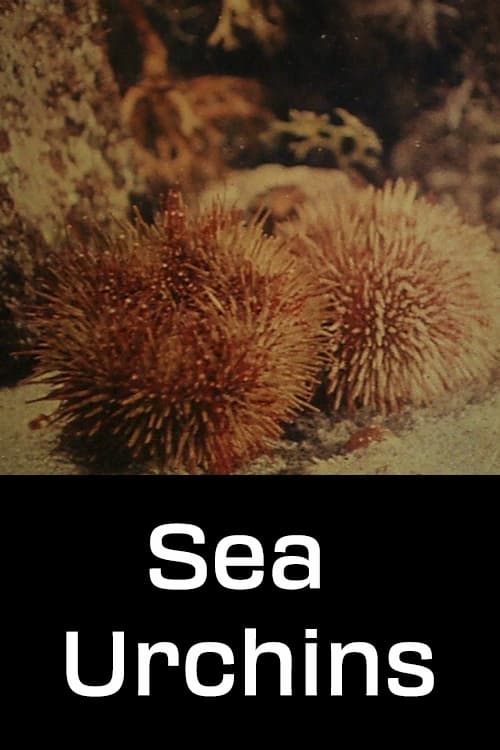
Jean Painlevé’s documentary is a focused scientific study of marine life. It uses extreme magnification to showcase the intricate biological features of sea urchins, such as tiny appendages and hair-like structures. Since the subject is non-human, the film does not engage with social or identity-based storytelling. The film presents a purely scientific perspective on nature, avoiding anthropocentric or theological explanations. It emphasizes empirical observation over religious or cultural interpretations, offering a unique lens on the natural world. While the film does not include human characters or social narratives, it provides a distinctive framework for understanding the complexity of marine life.
Category Breakdown
The film focuses entirely on marine invertebrates. There are no human characters or social narratives to facilitate depictions of sexual orientation.
The narrative centers on microscopic anatomy and biological processes. It does not engage with human gender hierarchies or social roles.
As a nature documentary about sea urchins, the film lacks a human cast. There is no basis for evaluating racial or ethnic representation.
The film prioritizes empirical observation over religious interpretations. It favors a secular, naturalist worldview by focusing on the material mechanics of life.
The film does not feature human subjects. Consequently, it does not address physical or neurodivergent representation.
Present on Screen
Limited or Absent
Official Synopsis
A close-up look at sand urchins and rock urchins. At the seashore, a man digs up a sand urchin. We look closely. He sets it back in the sand, and it burrows out of sight. Its intestines take nutrients out of sand. Using magnification 200,000 times normal size, we see a rock urchin's spines with suckers on the end; a drawing illustrates how they work. A sea urchin walks toward a rock. We see three-fingered jaws—pedicellaria at the end of flexible stems—take in algae and other bits. We also see cilia less than 0.001 ml in length; their motion constant, creating whirlpools. On the shore again, we watch the setting sun. Occasional titles in French tell us what to watch for.
1928
1996
1954
2013
1928
1929
1964
1956
No reviews yet. Be the first to share your thoughts on this movie!
Use the rating form above to leave a star rating and optional review.