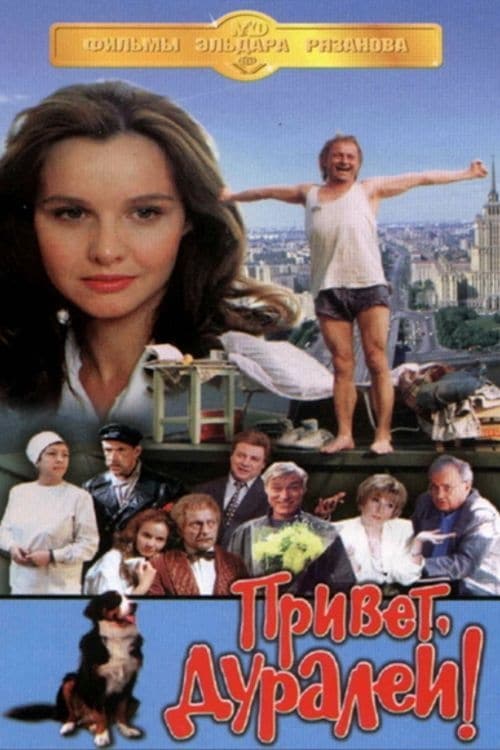
Hello, Fools!
1996
No user ratings available yet
Representation score: 4.4 out of 10

Representation Score
Limited
1977
Director
Pyotr Fomenko
Runtime
136 minutes
Average Rating
No ratings yetNew Showbiz Analysis
An Almost Funny Story adheres to the conventional social and demographic norms of its time. The narrative follows a standard romantic comedy format that lacks complexity in addressing diverse identities. While the film presents a female-centric perspective through its focus on two sisters, it does not actively challenge traditional gender roles. The storytelling remains anchored in the romantic clichés of the era. The production lacks representation of LGBTQ+ identities, diverse ethnic backgrounds, or characters with disabilities. It primarily functions as a character-driven romance without intentionally disrupting social hierarchies.
Category Breakdown
The film follows a typical romantic storyline between the main character and a new love interest. It does not explore or highlight any non-straight relationships or identities.
The story focuses on the experiences of two sisters, offering a female-centric viewpoint. However, it relies on traditional romantic clichés rather than challenging conventional gender roles.
The production likely mirrors the demographic makeup of 1977 Soviet cinema, which was predominantly Slavic. There is no indication of a racially diverse cast to challenge traditional ethnic norms.
As a comedy-romance, the film emphasizes social harmony. It does not explicitly promote anti-Western sentiments or secularism over traditional social structures.
There is no mention of characters with visible or invisible disabilities. No assessment can be made regarding neurodivergence or physical disabilities.
Present on Screen
Limited or Absent
Official Synopsis
The younger of two sisters living together suddenly meets the love of her life...
1996

1962

1981
1984
1978
1987

1994

1958
No reviews yet. Be the first to share your thoughts on this movie!
Use the rating form above to leave a star rating and optional review.