
La Buena Vida - The Good Life
2015
No user ratings available yet
Representation score: 6.2 out of 10
Representation Score
Good
2016
Director
Mathew Orzel, Heidi Brandenburg
Runtime
103 minutes
Average Rating
No ratings yetNew Showbiz Analysis
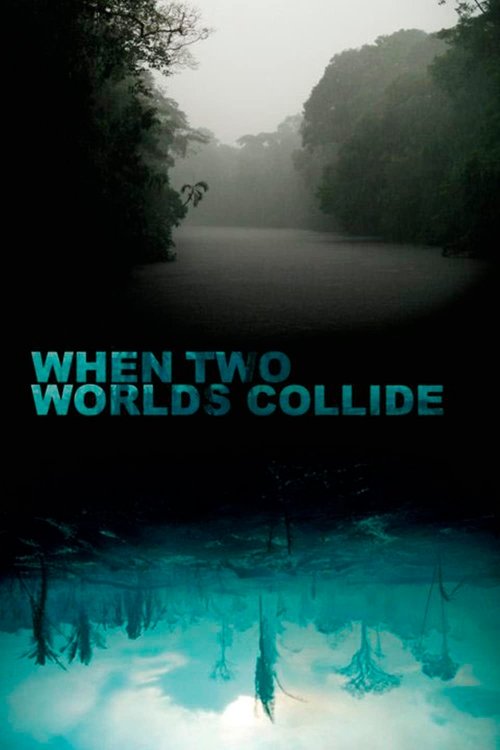
The documentary excels at highlighting indigenous Amazonian populations as the primary protagonists. By focusing on their fight for land rights against extractive industries, the film effectively challenges traditional geopolitical power structures. However, the narrative is heavily centered on male leadership, limiting the visibility of gender diversity. The focus on socio-economic and territorial conflict means that other identity-based narratives, such as LGBTQ+ representation, are not included. Overall, the film is a powerful study of the multi-layered conflict, prioritizing indigenous sovereignty and environmental preservation over broader social identity politics.
Category Breakdown
The film does not include any explicit mention of LGBTQ+ characters or stories. It focuses on political and territorial conflicts rather than issues related to gender identity.
The main conflict is driven by two male leaders, President Alan Garcia and Alberto Pizango. While the film highlights a broad grassroots movement, it does not provide detailed information about the distribution of roles based on gender.
The film provides excellent representation by centering the voices of indigenous Amazonians. It positions indigenous leadership as the primary driver of the narrative against state control.
The documentary offers a strong critique of colonial and capitalist forces. It emphasizes the perspectives of indigenous communities fighting against oppressive state and corporate interests.
There is no evidence regarding the portrayal of individuals with physical or neurodivergent disabilities.
Present on Screen
Limited or Absent
Official Synopsis
In this tense and immersive tour de force, audiences are taken directly into the line of fire between powerful, opposing Peruvian leaders who will stop at nothing to keep their respective goals intact. On the one side is President Alan Garcia, who, eager to enter the world stage, begins aggressively extracting oil, minerals, and gas from untouched indigenous Amazonian land. He is quickly met with fierce opposition from indigenous leader Alberto Pizango, whose impassioned speeches against Garcia’s destructive actions prove a powerful rallying cry to throngs of his supporters. When Garcia continues to ignore their pleas, a tense war of words erupts into deadly violence.
2015
2011

2008
2015
2022

2013
2017
2019
No reviews yet. Be the first to share your thoughts on this movie!
Use the rating form above to leave a star rating and optional review.