The Woman I Love
1937
No user ratings available yet
Representation score: 1.4 out of 10
Representation Score
Minimal
1926
PassedDirector
John Francis Dillon
Runtime
70 minutes
Average Rating
No ratings yetNew Showbiz Analysis
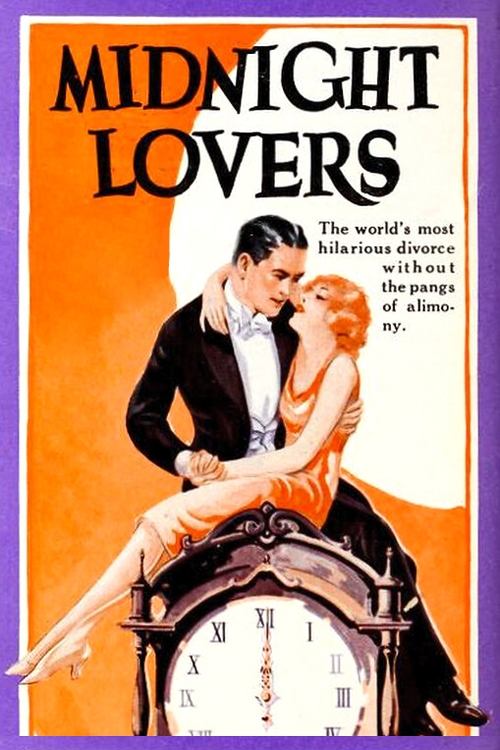
Midnight Lovers is a typical silent-era genre piece that reinforces the social hierarchies of the 1920s. The narrative relies heavily on established clichés of wartime duty and domestic conflict, offering little in the way of social subversion. The film's structure centers on a traditional marriage and the betrayal of a male war hero. This focus maintains conventional gender dynamics and lacks the complexity needed to challenge the era's patriarchal norms. Overall, the production appears to follow the homogeneous and conservative casting and thematic standards typical of its time, prioritizing mainstream romantic drama over diverse storytelling.
Category Breakdown
The film does not include any LGBTQ+ characters or explore non-straight relationships. It follows traditional 1920s romantic themes centered around a heterosexual marriage.
The story revolves around a wife discovering her husband's infidelity. Although the woman is emotionally central, the plot adheres to conventional gender roles and patriarchal structures.
The film likely adheres to the homogeneous casting standards of 1926, with no evidence of diverse or non-Anglo-Saxon leads in the narrative.
Set during WWI, the film emphasizes patriotism and traditional social stability. It focuses on marital morality rather than critiquing Western institutions or religious norms.
There is no indication of characters with visible or invisible disabilities within the story.
Present on Screen
Limited or Absent
Official Synopsis
During World War I, a young woman marries a famous flying ace. After the honeymoon, he is called back into service and leaves for the battlefield. Not long afterwards she discovers evidence that her new husband has been cheating on her.
1937

1927

1928

1925

1946

1932
1935
1939
No reviews yet. Be the first to share your thoughts on this movie!
Use the rating form above to leave a star rating and optional review.