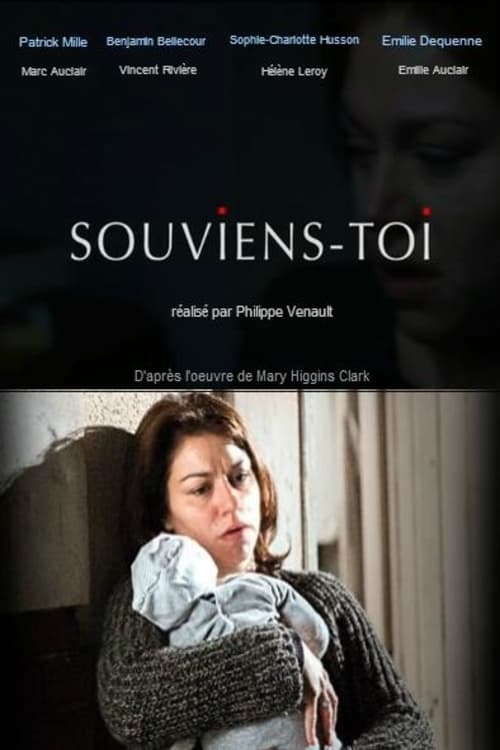
Souviens-toi
2015
No user ratings available yet
Representation score: 6.7 out of 10
Representation Score
Good
2017
Director
Nicolas Boukhrief
Runtime
95 minutes
Average Rating
No ratings yetNew Showbiz Analysis
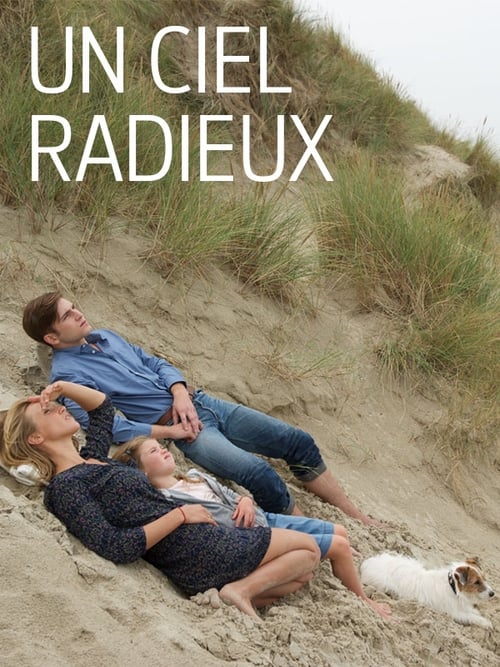
Un ciel radieux is an existential drama that emphasizes metaphysical exploration over demographic diversity. Its narrative strength lies in deconstructing the victim/perpetrator binary through a supernatural lens, offering a unique perspective on redemption and justice. However, the film lacks significant representation of diverse identities. Character roles are heavily centered around male figures, and the social setting appears homogeneous, without visible LGBTQ+, racial, or ethnic diversity. Ultimately, the film excels as a psychological study of consciousness and morality but falls short as a vehicle for diverse identity-driven storytelling.
Category Breakdown
The story revolves around a metaphysical connection between a deceased father and a young man, with no explicit LGBTQ+ characters or non-straight relationships in the main plot.
The plot centers on a male-dominated conflict between Vincent and Leo. Male figures hold the primary roles in a traditional dramatic structure.
The drama seems to have a homogeneous social setting typical of French television. There is no indication of intentional racial diversity or varied casting.
The film challenges traditional Western morals through its supernatural premise, focusing on spiritual reconciliation and moral relativism rather than strict legal or social consequences.
The storyline centers on a medical crisis involving a coma, providing a platform to explore altered states of being and loss of bodily autonomy.
Present on Screen
Limited or Absent
Official Synopsis
One night, Vincent, the father of a family and an overworked employee of an insurance company, loses control of his vehicle and strikes Leo, a young motorcycle, with full force. At the hospital, Vincent is declared dead and Leo is in a coma. When the latter comes out, it is the spirit of Vincent who took possession of the body of the young man. The opportunity for Vincent of a possible redemption to his relatives and an improbable and wonderful encounter, between life and death, with Leo. For the mind of the young man does not take long to resurface.
2015
2005

1995
2010
2007

1995
2010
2004
No reviews yet. Be the first to share your thoughts on this movie!
Use the rating form above to leave a star rating and optional review.