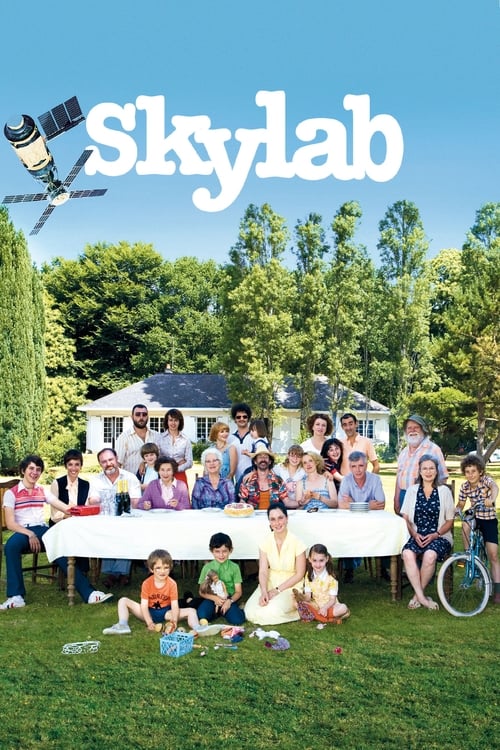
Skylab
2011
No user ratings available yet
Representation score: 4.6 out of 10
Representation Score
Good
1997
TV-14Director
Manuel Iborra
Runtime
102 minutes
Average Rating
No ratings yetNew Showbiz Analysis
Manuel Iborra’s film explores the friction between traditional structures and the emerging counterculture through the summer of 1970. The narrative strength lies in its potential to disrupt social hierarchies through its setting. However, the film lacks specific evidence regarding racial diversity and disability representation. While the era suggests a challenge to gender and sexual norms, the absence of explicit character details limits the certainty of its progressive impact. Ultimately, the work functions as a critique of the 'old guard,' framing the breakdown of conventional Western domesticity through the lens of a unique, communal family unit.
Category Breakdown
The film's 1970s setting highlights a time of queer liberation. Although specific identities aren't detailed, the counterculture era suggests a narrative that challenges conventional sexual norms.
The hippie movement setting implies a disruption of traditional patriarchal hierarchies. The film likely portrays gender dynamics as fluid by deconstructing mid-century domestic norms and subverting the role of the stable male leader.
The narrative focuses on a specific family unit and a generational movement. There is insufficient evidence to confirm a diverse cast, though the bohemian genre often utilizes cultural blending.
The film critiques traditional Western institutions like the nuclear family and rigid capitalism. By focusing on the hippie movement, it prioritizes communal and non-traditional social structures over established norms.
There is no documented information regarding the inclusion of characters with visible or invisible disabilities. The film lacks evidence of ability to act for neurodivergent or physically disabled characters.
Present on Screen
Limited or Absent
Official Synopsis
It's summer 1970, and the hippie movement has taken over an entire generation. In a beach house, a very unique family begins their summer vacation, which will change everyone's lives.
2011
2010

2018
2014
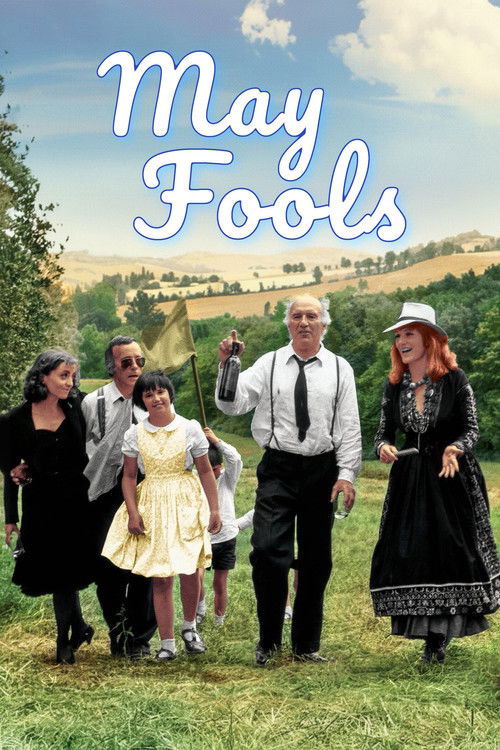
1990

1992
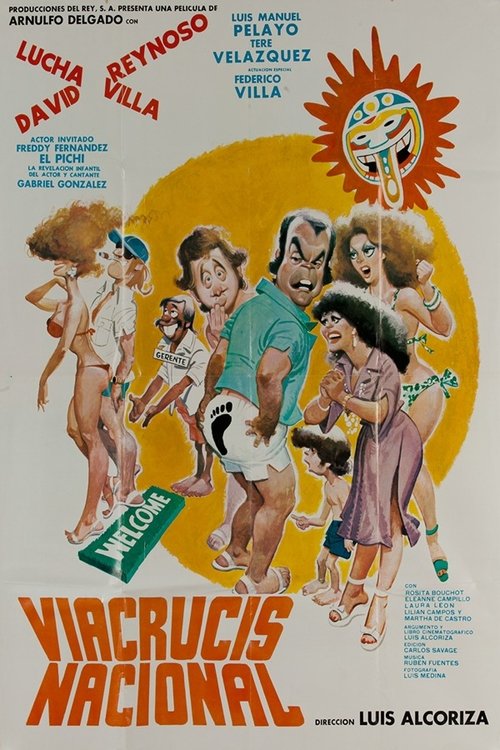
1981
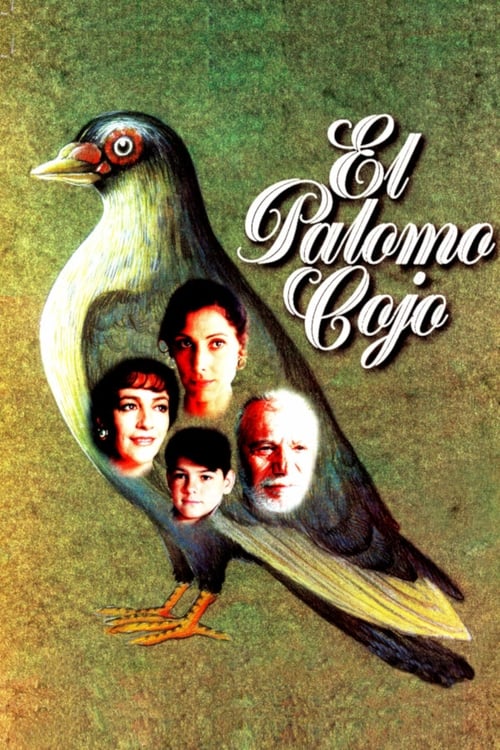
1995
No reviews yet. Be the first to share your thoughts on this movie!
Use the rating form above to leave a star rating and optional review.