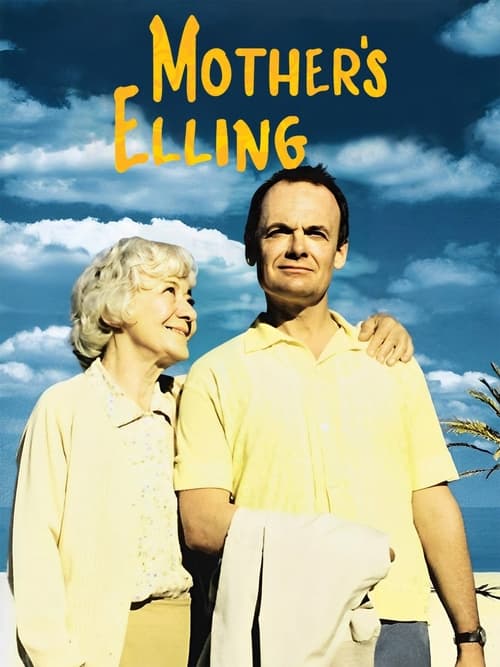
Mother's Elling
2003
No user ratings available yet
Diversity score: 5.1 out of 10

1995
Director
Jaime de Armiñán
Runtime
114 minutes
Average Rating
No ratings yetSynopsis
Little Felipe has been sick for a long time. To hasten his recovery, his parents send him to spend the summer of 1958 in the villa of his grandparents, located in the wealthy quarter of Cadiz. The warm climate of southern Spain is good for the boy, but the inhabitants of the great home may be a different story as all the relatives within are a tad strange. There Felipe meets his great-grandmother and her tough nurse Adoracion who patiently listens to grandmama's reminiscence's of the bandoleros who died for her. Felipe is not allowed to leave his bed, but his hours pass pleasantly thanks to the ministrations of the sexy Mari, a virgin, who loves to tease her four strapping aspiring lovers. As the summer progresses, Felipe interacts with all of his relatives and from their strange behavior finds himself learning an awful lot about life and love.
Overall Score
Fair
Category Breakdown
LGBTQ+ Representation
The film engages with themes of unconventional attraction and desire within a domestic setting. While it lacks overt queer protagonists, it explores non-normative romantic dynamics through its characters.
Gender Representation
The narrative centers on a matriarchal sphere, featuring strong female figures like the great-grandmother and Adoracion. Mari further challenges norms by using her sexuality to navigate her social environment.
Racial & Ethnic Diversity
Set in 1958 Cadiz, the film focuses on a homogeneous social class. There is no evidence of racial blending or diverse ethnic casting within this period setting.
Religious & Cultural Diversity
The story uses a wealthy family's eccentricity to critique standard moral expectations. It disrupts traditional views of the Western family by highlighting moral relativism and social deviation.
Disability Representation
Felipe’s physical illness and confinement drive his character development. The film focuses on his intellectual and emotional growth despite his vulnerability, avoiding a purely tragic portrayal.
Strengths
Areas for Improvement
AI Analysis
The film serves as a nuanced character study that uses domestic eccentricity to challenge social and gendered expectations. It succeeds in subverting traditional patriarchal hierarchies by centering female agency and unconventional desires. However, the work is limited by its historical setting, which results in significant demographic homogeneity. The lack of racial or ethnic diversity reflects the era's constraints rather than a lack of intent. Ultimately, the film offers a meaningful exploration of progressive social dynamics through a localized, character-driven lens.
2003

2008
2023

1979

2006

2000

1984

2007

1973

1973

1993

2003
No reviews yet. Be the first to share your thoughts on this movie!
Use the rating form above to leave a star rating and optional review.