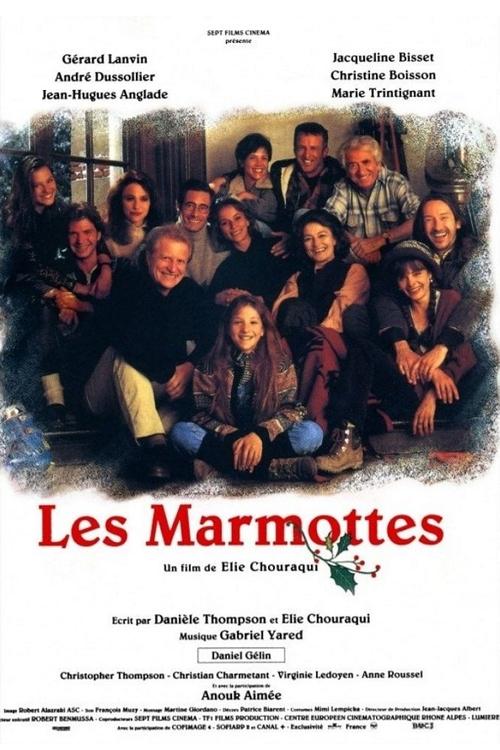
The Groundhogs
1993
No user ratings available yet
Representation score: 4.0 out of 10

Representation Score
Fair
1990
RDirector
Louis Malle
Runtime
107 minutes
Average Rating
No ratings yetNew Showbiz Analysis
Louis Malle’s film explores the breakdown of social structures following the May 1968 unrest in France. It focuses on the deconstruction of bourgeois stability and the rise of aimless individualism. The work excels in its sophisticated treatment of gender fluidity and its systemic critique of Western institutional stability. It replaces cohesive moral frameworks with a landscape of situational ethics. However, the film is limited by a homogeneous cast that lacks racial diversity. While it avoids harmful stereotypes, it does not provide characters who reflect more than one aspect of diversity.
Category Breakdown
The film portrays sexual fluidity as a standard part of character lifestyles. It includes non-traditional sexual dynamics to challenge assumptions about straight relationships and reject conventional morality.
Female characters play a significant role in driving the story, moving beyond domestic clichés to engage in social critiques. The narrative challenges traditional hierarchies through non-committal interpersonal dynamics.
The cast remains relatively homogeneous, reflecting the specific socio-economic context of the French intellectual class. It lacks intentional diverse casting or representation of multiple aspects of diversity.
The film offers a sophisticated critique of Western bourgeois institutions and capitalist stability. It embraces moral relativism and the rejection of established social orders.
There is no significant evidence regarding the portrayal of visible or invisible disabilities within the film.
Present on Screen
Limited or Absent
Official Synopsis
During the events of May 1968 in France, different worldviews of conflicting relatives collide in their family estate.
1993

2008

2025

1996

2011

1985

1988

1996
No reviews yet. Be the first to share your thoughts on this movie!
Use the rating form above to leave a star rating and optional review.