
Showroom
2014
No user ratings available yet
Diversity score: 4.8 out of 10

1992
Not RatedDirector
Gabriel Retes
Runtime
114 minutes
Average Rating
No ratings yetSynopsis
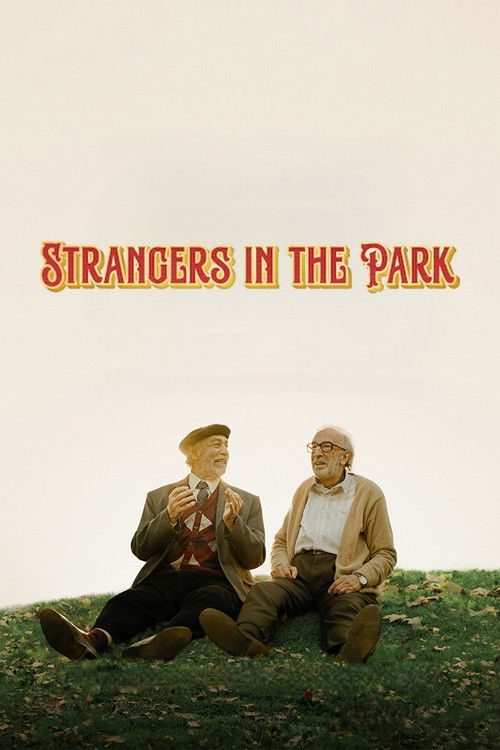
After being in a comma for 20 year, Lauro wakes up in a very different Mexico than the one he lived on. Ideas, hopes, ways-of-life and customs have changed, and Mexicans of the nineties are strangers for a man sleeping since 1971. Lauro will have to deal with the changes brought by the History, and will have to accept that the future is never as we imagined it when we were young.
Overall Score
Fair
Category Breakdown
LGBTQ+ Representation
The film lacks explicit evidence of queer narratives or non-heteronormative identities. It focuses on broader sociological shifts rather than specific identity-based explorations.
Gender Representation
The narrative centers on a man's disorientation, potentially relying on traditional masculine perspectives regarding loss of status. There is no evidence of subverting gender hierarchies.
Racial & Ethnic Diversity
As a Mexican production, the film provides inherent ethnic representation. It explores evolving national identity, though intersectional indigenous or multi-ethnic dynamics remain unclear.
Religious & Cultural Diversity
The story engages deeply with cultural evolution by framing the modern era as a place of estrangement. It highlights the instability of social norms and systemic change.
Disability Representation
A twenty-year coma serves as the primary plot catalyst. However, this medical state functions as a structural device for temporal displacement rather than exploring lived disability experience.
Strengths
Areas for Improvement
AI Analysis
Gabriel Retes uses a 'man out of time' trope to examine the sociological evolution of Mexico. By centering on Lauro’s emergence from a coma, the film critiques the transition from the 1970s to the 1990s. The film's strength lies in its deconstruction of historical continuity. It challenges the idea of a stable, unchanging cultural heritage by showing how social structures are transient. While the film offers a nuanced look at societal evolution, it lacks explicit intersectional identity politics or advocacy for specific marginalized groups.
2014

2001
2026

2012

2023

1989

1983

2006

1988

2019

2003

2003
No reviews yet. Be the first to share your thoughts on this movie!
Use the rating form above to leave a star rating and optional review.