Lorenzo's Oil
1992
No user ratings available yet
Representation score: 4.5 out of 10
Representation Score
Good
1999
PG-13Director
Lasse Hallström
Runtime
126 minutes
Average Rating
No ratings yetNew Showbiz Analysis
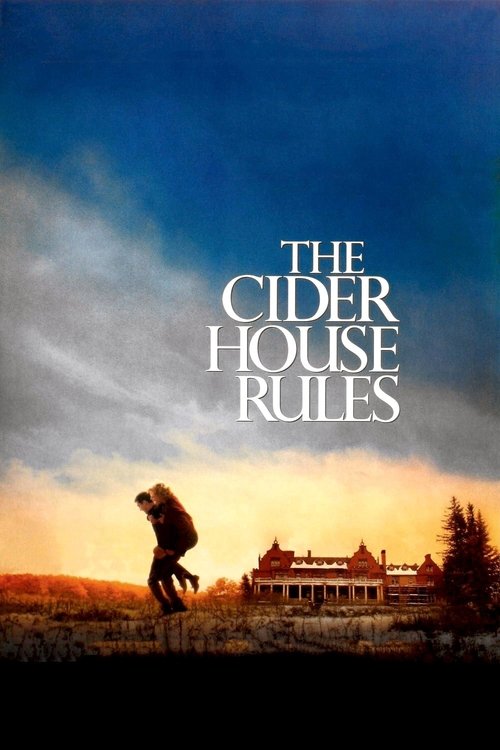
The Cider House Rules is a character-driven drama that excels in its moral complexity. It offers a sophisticated critique of institutional authority, particularly regarding how individuals must sometimes defy rigid laws to act with compassion. This ethical depth provides a strong foundation for its narrative weight. However, the film is limited by its historical setting, which results in a lack of racial and ethnic diversity. The storytelling remains largely centered on a homogeneous social structure. The absence of LGBTQ+ perspectives further narrows the film's demographic scope. Ultimately, the film trades demographic breadth for thematic depth. It succeeds as a study of human rights and situational ethics, even if it fails to represent a wide array of identities.
Category Breakdown
The story centers on heterosexual relationships and family ties. It does not feature prominent LGBTQ+ characters or stories focused on non-straight identities.
Female characters such as Rose show significant influence and emotional depth. The protagonist's role as a doctor challenges the era's male-dominated control over health care.
The film reflects the homogeneity of early 20th-century rural Maine. It emphasizes socioeconomic and institutional status over racial dynamics.
The narrative challenges religious and legal doctrines by presenting illegal medical practices as compassionate necessities. It prioritizes situational ethics over strict institutional rules.
The film examines the psychological impact of abandonment and the stigma of being unwanted. It portrays orphans as individuals navigating societal exclusion.
Present on Screen
Limited or Absent
Official Synopsis
Homer is an orphan who was never adopted, becoming the favorite of orphanage director Dr. Larch. Dr. Larch imparts his full medical knowledge on Homer, who becomes a skilled, albeit unlicensed, physician. But Homer yearns for a self-chosen life outside the orphanage. What will Homer learn about life and love in the cider house? What of the destiny that Dr. Larch has planned for him?
1992
1962

1990
2003

2001
1995

2000

1996
No reviews yet. Be the first to share your thoughts on this movie!
Use the rating form above to leave a star rating and optional review.