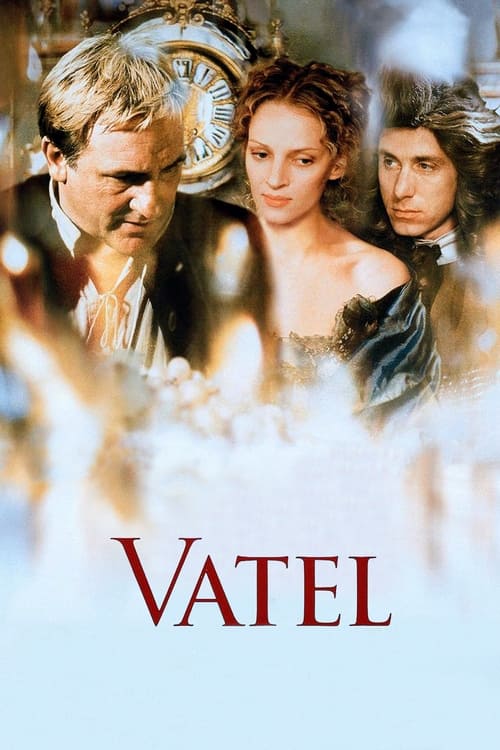
Vatel
2000
No user ratings available yet
Representation score: 2.4 out of 10
Representation Score
Minimal
1995
RDirector
Michael Hoffman
Runtime
117 minutes
Average Rating
No ratings yetNew Showbiz Analysis
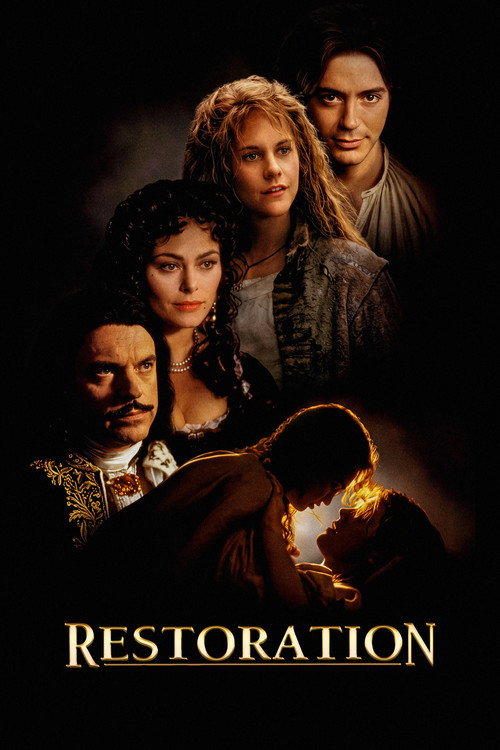
Restoration is a traditional period drama that prioritizes historical authenticity and classical storytelling. It functions as a character study within a conventional Western framework, offering very little disruption to established social norms. The film reinforces the power dynamics of the 17th century, particularly regarding patriarchal authority and racial homogeneity. The narrative arc follows a standard trajectory of personal rise and fall within a rigid class system. Ultimately, the work lacks representation for LGBTQ+ identities and disabilities, focusing instead on the protagonist's medical vocation and his navigation of royal politics.
Category Breakdown
The film adheres to the social structures of the 17th century, which assume everyone is straight or cisgender. Traditional romantic and marital expectations are central to the plot, such as a marriage of convenience. There are no representations of LGBTQ+ identities.
The narrative depicts a strict patriarchal hierarchy where male authority dominates. Women navigate social constraints, but their roles are largely reactive to the King and the main character.
The cast and social environment are overwhelmingly homogeneous, reflecting the historical setting of the English Restoration court. The film does not include actors from diverse backgrounds or use race-bent casting.
The story focuses on monarchy, class mobility, and professional life within traditional Western institutions. It explores personal struggles within the established social order without offering a broader critique.
There are no prominent portrayals of visible or invisible disabilities. The narrative focuses solely on the protagonist's medical journey and his romantic relationships.
Present on Screen
Limited or Absent
Official Synopsis
An aspiring young physician, Robert Merivel found himself in the service of King Charles II and saves the life of someone close to the King. Merivel joins the King's court and lives the high life provided to someone of his position. Merivel is ordered to marry his King's mistress in order to divert the queens suspicions. He is given one order by the king and that is not to fall in love. The situation worsens when Merivel finds himself in love with his new wife. Eventually, the King finds out and relieves Merivel of his position and wealth. His fall from grace leaves Merivel where he first started. And through his travels and reunions with an old friend, he rediscovers his love for true medicine and what it really means to be a physician.
2000
1997

2009

1996

2015

1997
1993

1939
No reviews yet. Be the first to share your thoughts on this movie!
Use the rating form above to leave a star rating and optional review.