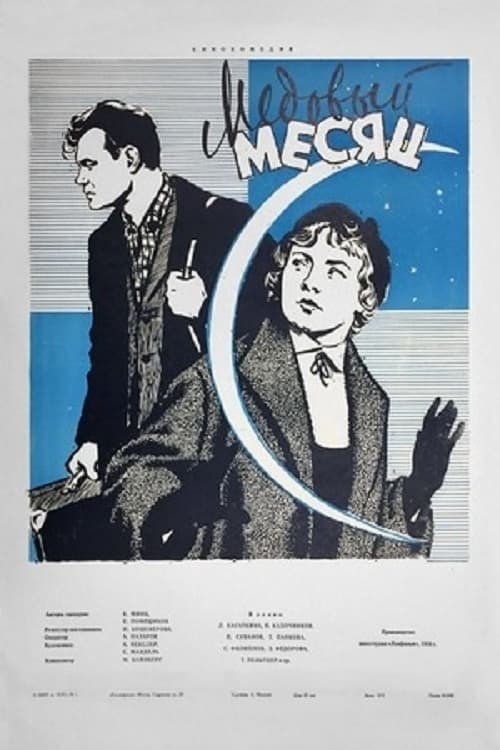
Honeymoon
1956
No user ratings available yet
Representation score: 2.9 out of 10
Representation Score
Limited
1918
Director
Anatoli Dolinov, Aleksandr Panteleyev, Donat Pashkovsky
Runtime
56 minutes
Average Rating
No ratings yetNew Showbiz Analysis
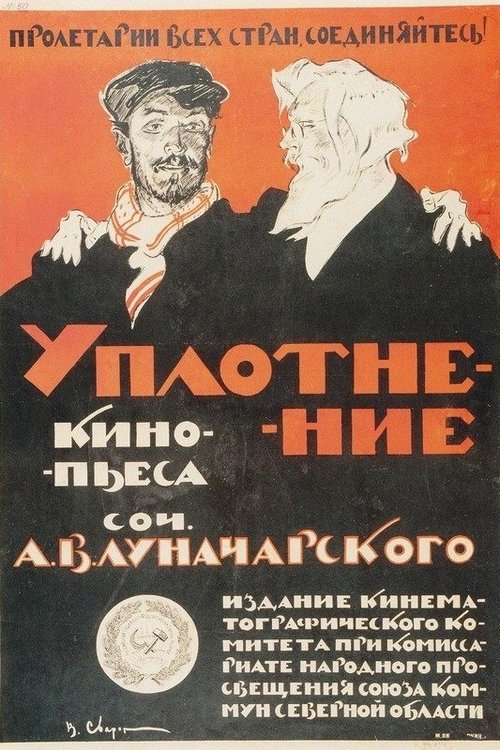
Uplotneniye serves as a narrative exploration of the radical restructuring of social classes following the Russian Revolution. It focuses on the forced redistribution of space, dismantling bourgeois privacy to accommodate the working class. The film excels in its cultural critique, particularly in challenging capitalist and hierarchical institutions. It replaces the concept of the elite, stable household with a model of communalism and class integration. However, the film lacks contemporary markers of identity-based representation. It adheres to conventional romantic clichés and lacks evidence of LGBTQ+ or racial diversity, reflecting the historical context of its era.
Category Breakdown
The film focuses on a traditional romantic relationship between the professor's son and the worker's daughter. There are no stories involving LGBTQ+ individuals or those with non-traditional gender identities.
The story uses the home environment to bring about social changes. Although the romance follows a conventional storyline, the worker's daughter plays a key role in the relocation process.
The film likely features a relatively homogeneous ethnic cast typical of 1918 Russia. The narrative emphasizes class dynamics rather than racial diversity or varied backgrounds.
The film critiques traditional class structures by breaking down bourgeois privacy. It promotes communal living and the workers' club over the sanctity of private, elite property.
There is no information about the portrayal of physical or neurodivergent disabilities in the narrative.
Present on Screen
Limited or Absent
Official Synopsis
In the process of housing redistribution, a worker and his daughter are relocated from a damp basement to one of the rooms at a professor's spacious flat. Factory workers begin to visit and the number of guests grows and grows; the professor begins to hold widely attended lectures at the workers' club. Romance blossoms between the professor's youngest son and the worker's daughter, and the two decide to marry...
1956

1962
1981
1938
1927

1966
1925
1956
No reviews yet. Be the first to share your thoughts on this movie!
Use the rating form above to leave a star rating and optional review.