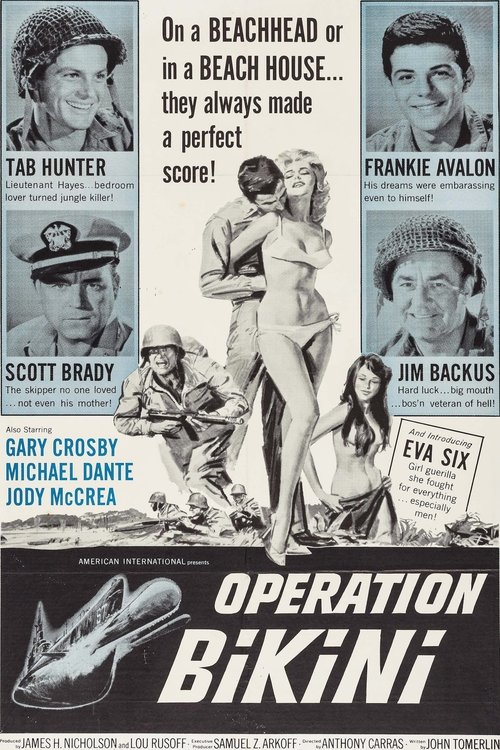
Operation Bikini
1963
No user ratings available yet
Representation score: 1.3 out of 10
Representation Score
Minimal
1942
NRDirector
Lew Landers
Runtime
64 minutes
Average Rating
No ratings yetNew Showbiz Analysis
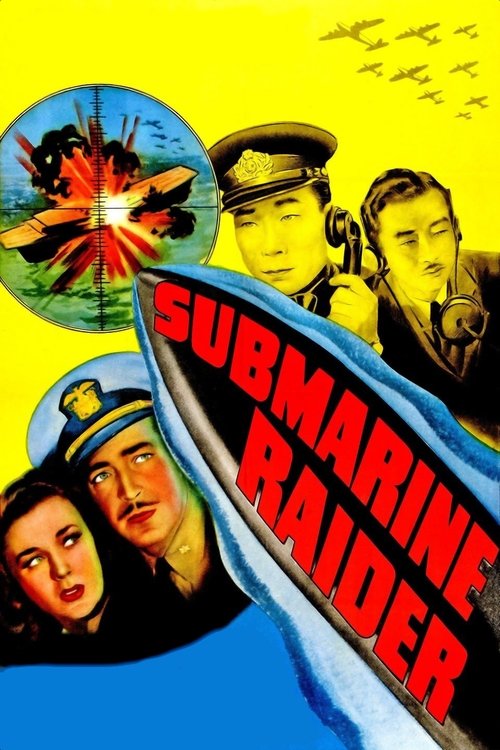
Submarine Raider is a product of the early 1940s Hollywood system, designed to promote national unity and traditional wartime heroism. It relies heavily on clear moral distinctions, pitting American heroes against Japanese enemies in a black-and-white conflict. The film maintains strict social hierarchies, especially around gender and race. While it features a central female character, the real decision-making power remains with the male military leadership, reflecting the era's conventional views on authority. Overall, the film serves as a patriotic drama that supports Western institutions without challenging them. It lacks the nuance and diversity needed to question the social norms of its time.
Category Breakdown
The film follows strict social structures that assume everyone is straight and cisgender. There are no representations of LGBTQ+ identities or same-sex relationships.
Decision-making power is held solely by male military leaders. Sue Curry plays a key role in the story but does not have much influence over the military decisions.
Japanese characters are portrayed as enemies without much depth or complexity. They are simplified as adversaries rather than fully developed individuals.
The story emphasizes American patriotism and the defense of national institutions. It upholds a single perspective focused on supporting the American war effort.
There are no characters with visible or invisible disabilities that play a central role in the story or plot development.
Present on Screen
Limited or Absent
Official Synopsis
On December 6, 1941, Captain Yamanada of the Japanese aircraft carrier "Hiranamu", orders full steam ahead for Pearl Harbor. His ship encounters and sinks an American yacht and the single survivor, Sue Curry, is rescued by an American submarine, the "Sea Serpent", commanded by Commander Chris Warren. He hears her story and attempts to radio a warning to Pearl Harbor. Yamanada, hearing the signals, orders the airlines jammed, and then sends his son into the air to sink the sub. The attack fails, after the sub makes a crash dive, but they fail in their warning attempts. The next morning, December 7th, the men on the sub hear the story of the bombing of Pearl Harbor, and devise a desperate plan to sink the Japanese carrier by letting the carrier know their position. The carrier comes in search of the submarine.
1963

1942
1943
1958
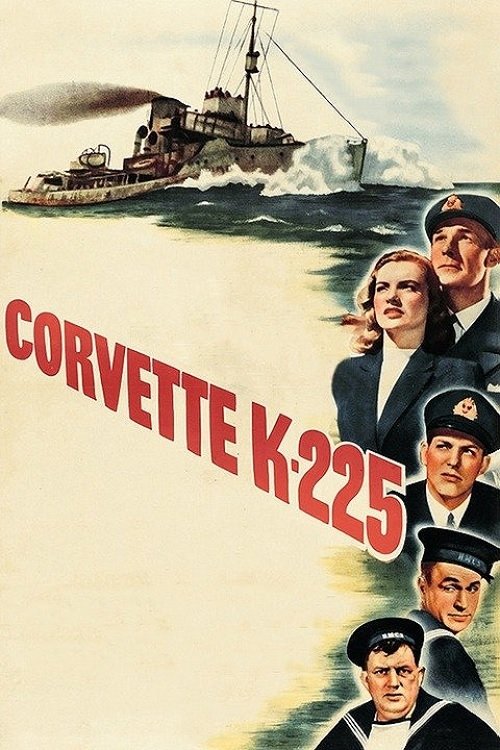
1943
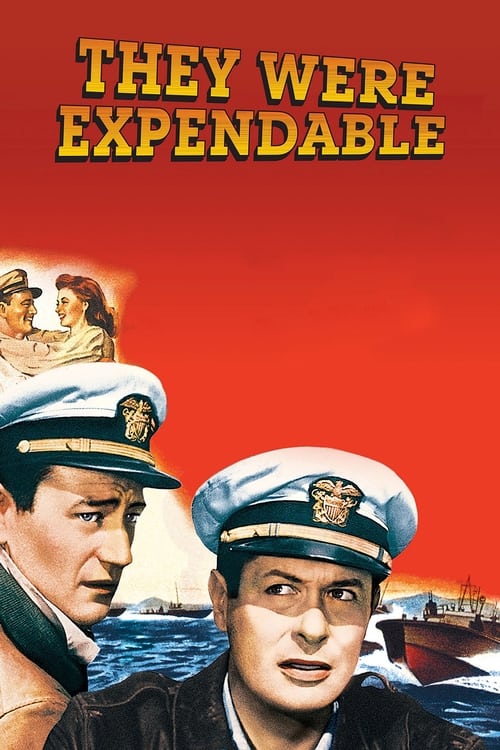
1945
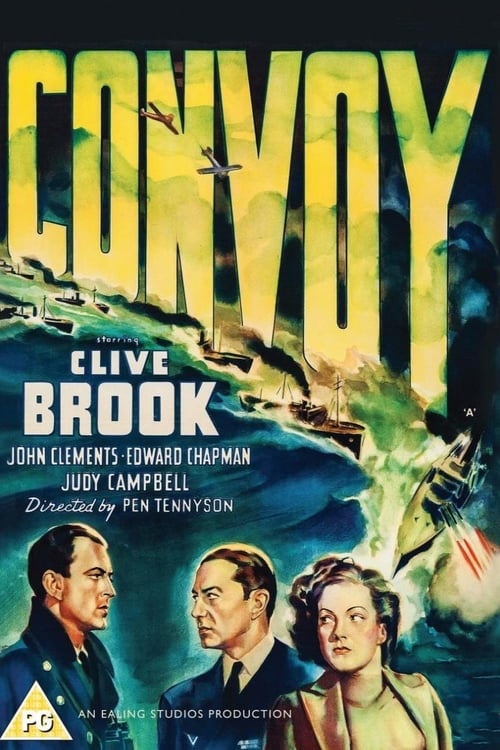
1940
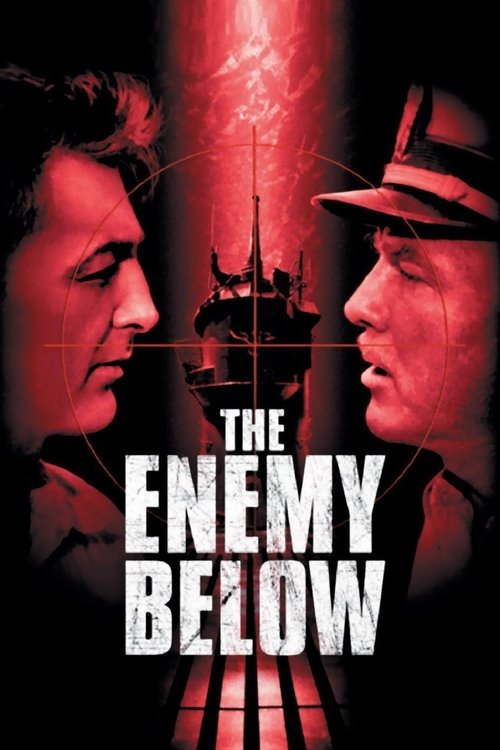
1957
No reviews yet. Be the first to share your thoughts on this movie!
Use the rating form above to leave a star rating and optional review.