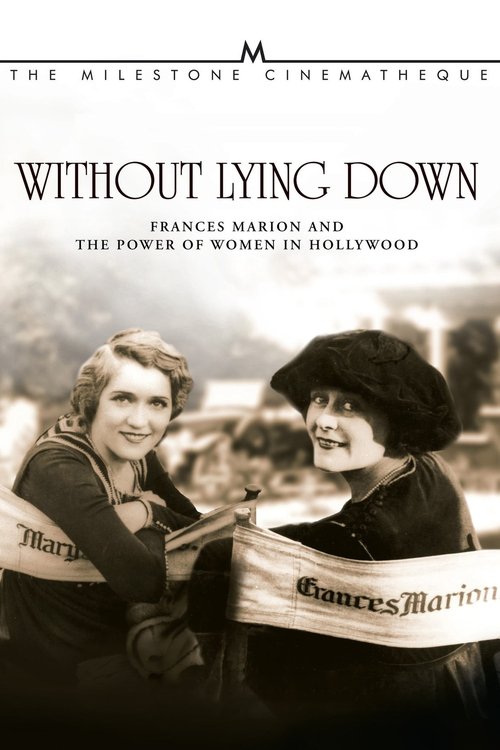
Without Lying Down: Frances Marion and the Power of Women in Hollywood
2000
No user ratings available yet
Representation score: 7.7 out of 10
Representation Score
Limited
1987
TV-14Director
Aviva Slesin
Runtime
56 minutes
Average Rating
No ratings yetNew Showbiz Analysis
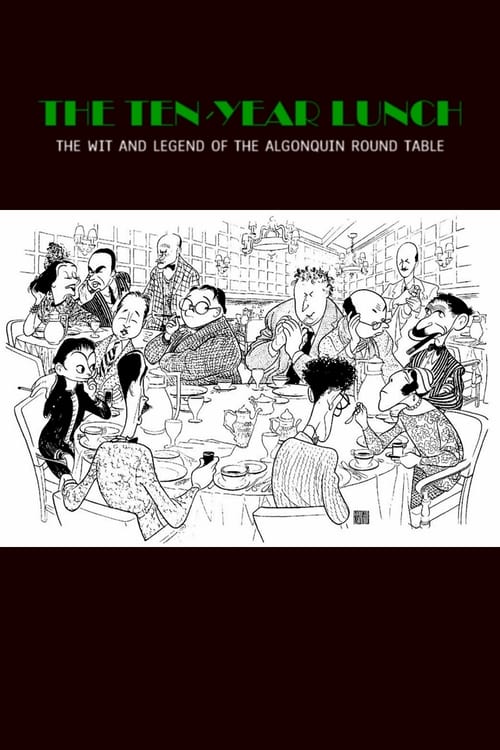
The documentary serves as a historical retrospective of the Algonquin Round Table, a specific and elite intellectual circle from the 1920s. Given its focus on a particular era and social class, the film naturally reflects the homogeneity of its historical figures. While it highlights the professional achievements of women, it primarily celebrates a narrow, homogeneous cultural elite.
Category Breakdown
The film touches on the social dynamics of the 1920s but lacks explicit depictions of queer identity.
The documentary highlights the intellectual contributions of women like Dorothy Parker and Edna Ferber, but the overall group remains predominantly male.
The narrative focuses on a highly homogeneous social enclave, with historical figures being almost exclusively white and Anglo-Saxon.
The film celebrates the shift towards secular, urban intellectualism and skepticism, focusing on preserving Western literary history.
There is no significant evidence regarding the portrayal of visible or invisible disabilities within this documentary.
Present on Screen
Limited or Absent
Official Synopsis
The story of the legendary wits who lunched daily at the Algonquin Hotel in New York City during the 1920s. The core of the so-called Round Table group included short story and poetry writer Dorothy Parker; comic actor and writer Robert Benchley; The New Yorker founder Harold Ross; columnist and social reformer Heywood Broun; critic Alexander Woollcott; and playwrights George S. Kaufman, Marc Connelly, Edna Ferber and Robert Sherwood.
2000
1976
1989

2016
2017
1995
1990
1973
No reviews yet. Be the first to share your thoughts on this movie!
Use the rating form above to leave a star rating and optional review.