
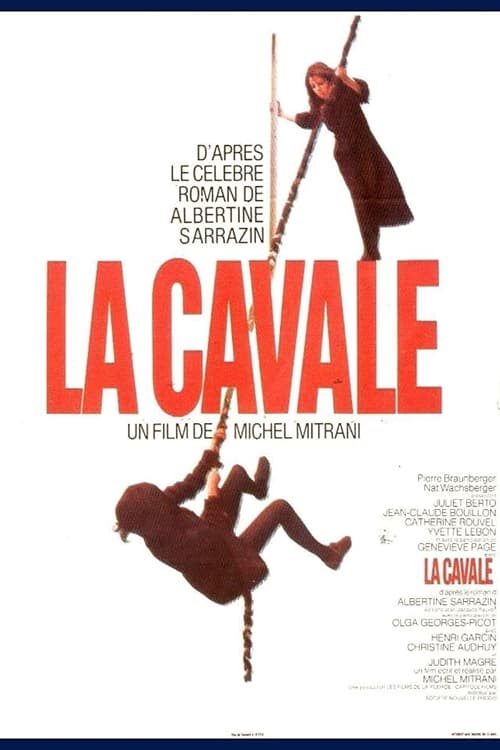
Ankle Bone
1968
No user ratings available yet
Representation score: 8.2 out of 10
Representation Score
Limited
1971
Director
Michel Mitrani
Runtime
100 minutes
Average Rating
No ratings yetNew Showbiz Analysis
On the Lam is a character-driven film that focuses on resistance against rigid institutional structures. It emphasizes the subjective experiences of individuals who are underrepresented by state authority. While the film lacks diversity in racial and LGBTQ+ representation, it excels in subverting traditional gender roles. The narrative structure highlights an outsider’s perspective, presenting defiance as a quest for autonomy. Ultimately, the film’s impact stems from its critical view of state-imposed morality and its dismantling of institutional infallibility.
Category Breakdown
The film does not include any LGBTQ+ characters or non-cisgender identities. The romantic relationship between the two main characters is oriented towards straight relationships.
Annick plays a significant role in driving the plot through her writing and escape plans, shifting the focus away from the male lead and challenging traditional crime drama narratives.
Set in 1930s France, the film reflects the historical demographic homogeneity of the time. The cast consists of actors representing typical European backgrounds without any non-white characters.
The film critiques Western institutions by portraying criminality as a means of survival and personal loyalty. It depicts the legal system as an oppressive force rather than a fair judge.
There are no characters with visible or invisible disabilities featured in the story. No such characters serve as central thematic elements.
Present on Screen
Limited or Absent
Official Synopsis
A young couple of burglars, waiting for trial, marry in jail. Annick writes down her observations of the women's ward. When she hears that her lover must serve a twice as long prison sentence, she plans their escape.
1968

1959

1963

1963

1988
1970

1981
1966
No reviews yet. Be the first to share your thoughts on this movie!
Use the rating form above to leave a star rating and optional review.