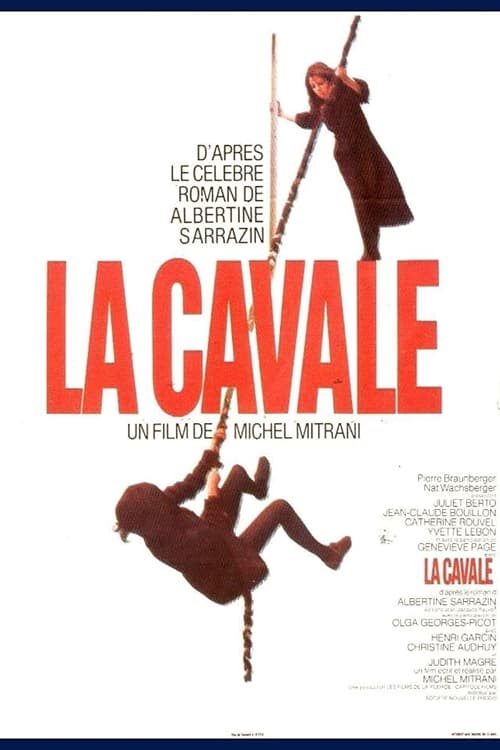
On the Lam
1971
No user ratings available yet
Representation score: 2.8 out of 10

Representation Score
Excellent
1968
Director
Guy Casaril
Runtime
103 minutes
Average Rating
No ratings yetNew Showbiz Analysis
Ankle Bone stands out for its bold post-colonial perspective, emphasizing African ability to act and indigenous legal systems over Western institutional authority. With an all-Black cast and a focus on communal justice, the film provides a rare level of ethnic authenticity for 1968. While it introduces non-straight motivations through its female lead, it remains constrained by the social norms of its era. The depiction of gender and disability feels more functional to the plot than deeply exploratory.
Category Breakdown
The main character's goal to escape prison is driven by a desire to reunite with a lesbian partner. This provides a rare example of non-straight motivation for the time, but the film does not delve deeply into same-sex relationships.
The female lead demonstrates strong ability to act through her choices related to crime and prostitution. However, the film mainly upholds traditional gender roles and focuses more on legal conflicts than challenging power dynamics.
The film features an all-Black cast and centers African perspectives. It avoids the Western viewpoint by letting African characters drive the narrative within their own cultural contexts.
The story offers a nuanced critique of Western institutional dominance. It validates indigenous customary law as a legitimate system, challenging the notion that Western legal frameworks are the only moral standards.
A broken ankle serves as the primary plot driver, pushing the protagonist into new socioeconomic realities. The injury functions more as a narrative tool than an exploration of living with a disability.
Present on Screen
Limited or Absent
Official Synopsis
While escaping from prison to be with her lesbian friend, a 19-year-old girl breaks her ankle and is picked up by an ex-con, with whom she begins a passionate affair. She finally turns to prostitution and robbery to support herself.
1971

1970

1968

1964

1988

1959

1981

1961
No reviews yet. Be the first to share your thoughts on this movie!
Use the rating form above to leave a star rating and optional review.