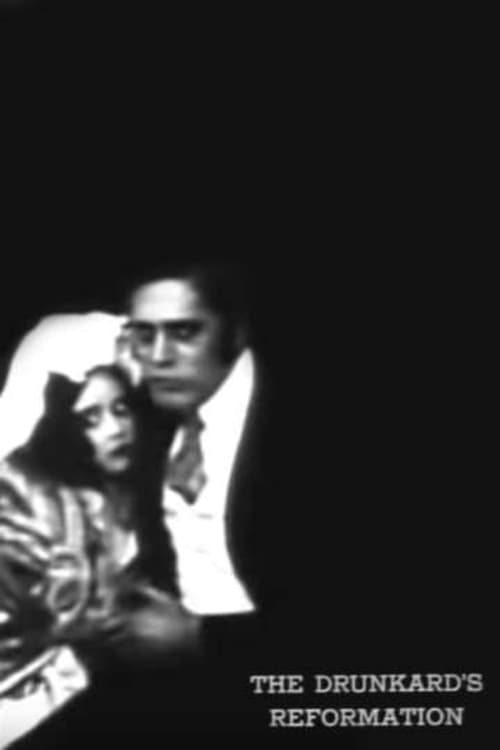
A Drunkard's Reformation
1909
No user ratings available yet
Representation score: 0.1 out of 10
Representation Score
Minimal
1906
Director
Albert Capellani
Runtime
6 minutes
Average Rating
No ratings yetNew Showbiz Analysis
Poor Mother is a period-specific psychological drama that emphasizes personal suffering over broader social commentary. While it centers on a woman's experience, it remains tied to the melodramatic themes of 1906. The film offers a platform for a female-centric narrative, yet the character's journey is defined by vulnerability and psychological collapse. This focus on suffering limits its ability to challenge traditional social structures. Ultimately, the work serves as a study of personal tragedy. It lacks the depth to address broader societal issues and remains within the standard dramatic conventions of its time.
Category Breakdown
The film focuses solely on maternal grief and the loss of a child. There is no representation of LGBTQ+ identities or critiques of the assumption that everyone is straight.
The movie centers on a female protagonist, providing rare ability to act for women in early cinema. However, her story revolves around emotional fragility and domestic tragedy.
The film adheres to typical early 20th-century European casting practices. There is no indication of intentional racial diversity or casting actors from non-Anglo-Saxon backgrounds.
The story examines the breakdown of the family unit through personal tragedies such as substance abuse. It presents these issues as individual misfortunes rather than systemic problems.
The protagonist experiences hallucinations, suggesting a mental health issue or neurodivergence. These portrayals often highlight instability rather than giving characters real ability to act.
Present on Screen
Limited or Absent
Official Synopsis
A woman loses her only child. She turns to drink and begins to hallucinate an image of her beloved child.
1909

1929
1906

1967

1915

1915

1902
1925
No reviews yet. Be the first to share your thoughts on this movie!
Use the rating form above to leave a star rating and optional review.