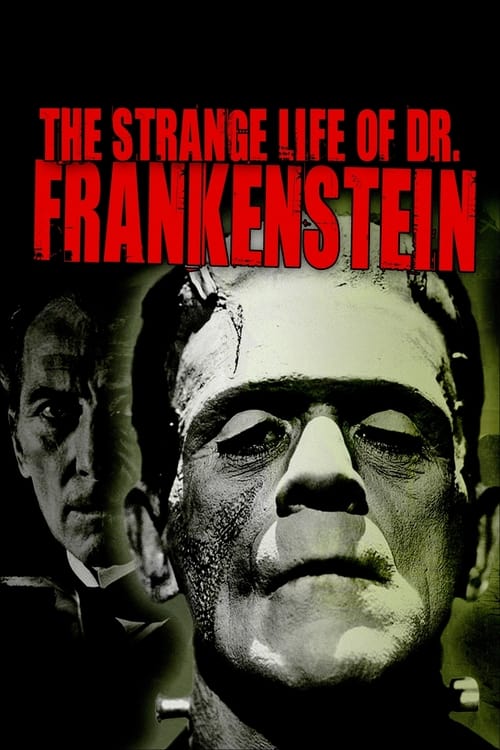
The Strange Life of Dr. Frankenstein
2018
No user ratings available yet
Representation score: 6.2 out of 10
Representation Score
Fair
2022
Director
Dimitri Kourtchine
Runtime
53 minutes
Average Rating
No ratings yetNew Showbiz Analysis
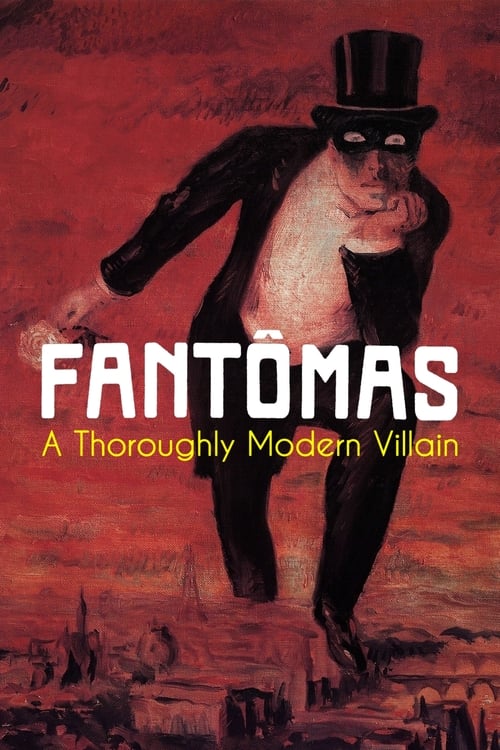
Dimitri Kourtchine’s documentary is a scholarly exploration of the Fantômas archetype, tracing its development from a 1911 literary creation to its influence on Surrealism and Moscow. The film functions more as a historical study of cultural impact rather than a character-driven narrative focused on multi-layered issues. By providing a broad geographical and artistic context, the film offers a nuanced view of how archetypes evolve across different settings. However, it lacks specific examples of diverse character representation, focusing more on historical and cultural shifts rather than on LGBTQ+, racial, or disability-related identities.
Category Breakdown
The film looks at historical avant-garde movements like Surrealism, which often questioned traditional social structures. However, it doesn't specifically focus on LGBTQ+ themes or detailed studies of LGBTQ+ characters.
The documentary focuses on a traditionally masculine villain and his impact on cinema. This allows for a critique of traditional masculine archetypes and changing power dynamics.
The inclusion of Moscow suggests an international perspective beyond Western Europe. However, specific details about racial diversity in the cast are not provided.
The narrative explores the evolution of ideas across different political and artistic movements. It goes beyond a fixed morality to examine how cultural norms change over time.
There is no information about the portrayal of physical or neurodivergent identities in this historical film.
Present on Screen
Limited or Absent
Official Synopsis
The story of Fantômas, the first villain of modernity, from his birth in 1911 as a novel character to his contemporary vicissitudes, passing through Louis Feuillade, André Hunebelle, surrealism and Moscow.
2018
1915

2020
1965

2014
2012

2018

2021
No reviews yet. Be the first to share your thoughts on this movie!
Use the rating form above to leave a star rating and optional review.