Caligari: When Horror Came to Cinema
2014
No user ratings available yet
Diversity score: 5.2 out of 10
2018
PGDirector
Jean Froment
Runtime
53 minutes
Average Rating
No ratings yetSynopsis
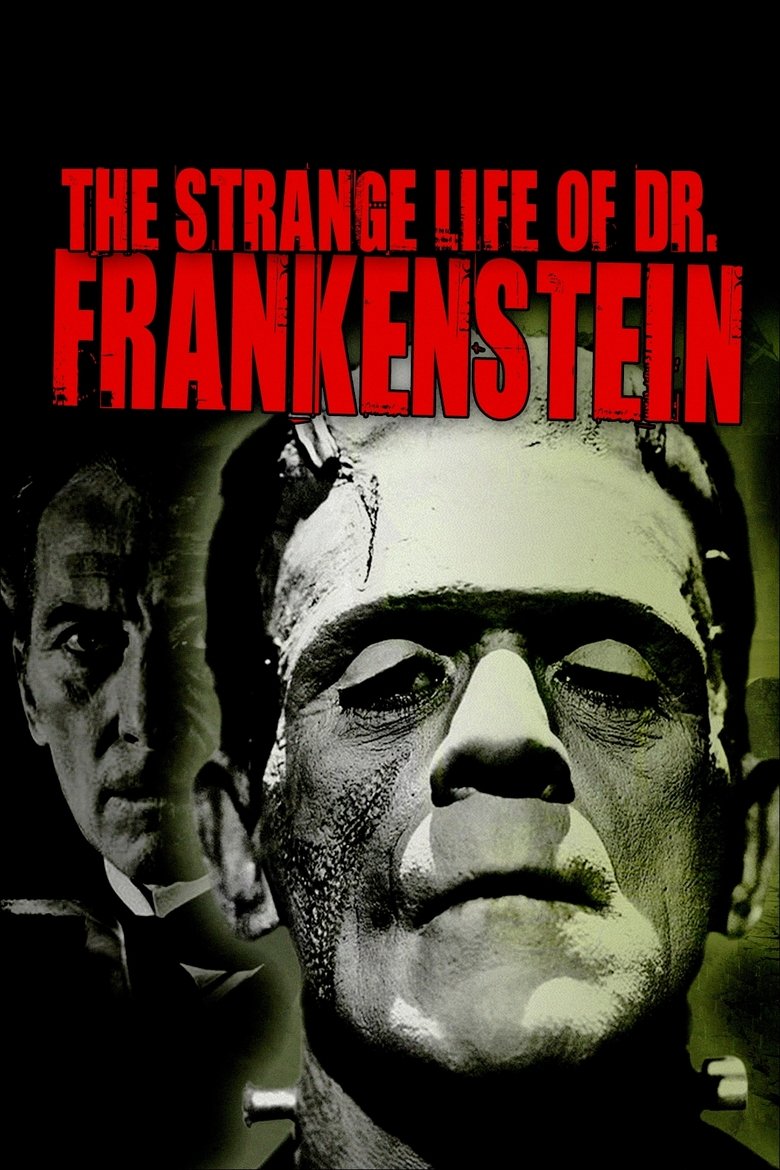
In 1818, Mary Shelley wrote Frankenstein; or, The Modern Prometheus, a powerful and timelessness novel which eternal theme is nothing other than man's quest for the secret of life. Since then, the Creature became a pop culture icon, overshadowing the novel and Doctor Frankenstein himself.
Overall Score
Fair
Category Breakdown
LGBTQ+ Representation
The documentary lacks explicit depictions of LGBTQ+ identities or romantic intimacy. While it may touch upon Romantic-era social structures, there is no deliberate focus on non-cisnormative identities.
Gender Representation
The film centers on Mary Shelley’s intellectual legacy. By elevating her agency, the production disrupts traditional hierarchies that often relegate female creators to the periphery of literary history.
Racial & Ethnic Diversity
The narrative focuses on a 19th-century European literary context. It remains centered on Western traditions without documented evidence of diverse ethnic perspectives or race-bent casting.
Religious & Cultural Diversity
The film critiques the hubris of traditional scientific authority through the 'Modern Prometheus' theme. It examines the Creature as a figure misunderstood by systemic structures and institutional progress.
Disability Representation
The subject matter intersects with themes of bodily autonomy and physical difference. However, the film lacks explicit neurodivergent or disability-led narratives within its documentary format.
Strengths
Areas for Improvement
AI Analysis
The documentary serves as a historical retrospective on Mary Shelley’s literary impact. It succeeds in centering a female intellectual figure, providing a necessary correction to male-dominated scientific histories. However, the film is constrained by its Eurocentric subject matter. The focus on 19th-century Western literary traditions limits the inclusion of diverse racial and ethnic perspectives. While the themes of the Creature touch upon bodily difference, the film lacks active representation of disability or LGBTQ+ identities, remaining a strictly educational historical account.
No reviews yet. Be the first to share your thoughts on this movie!
Use the rating form above to leave a star rating and optional review.