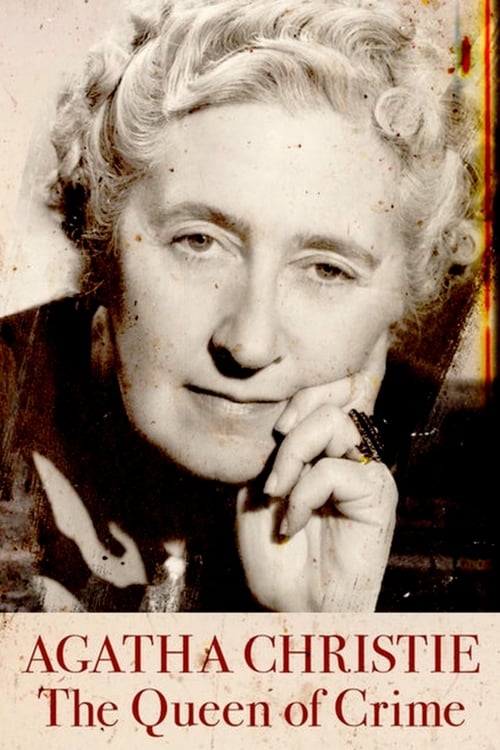
Agatha Christie, the Queen of Crime
2018
No user ratings available yet
Diversity score: 4.3 out of 10
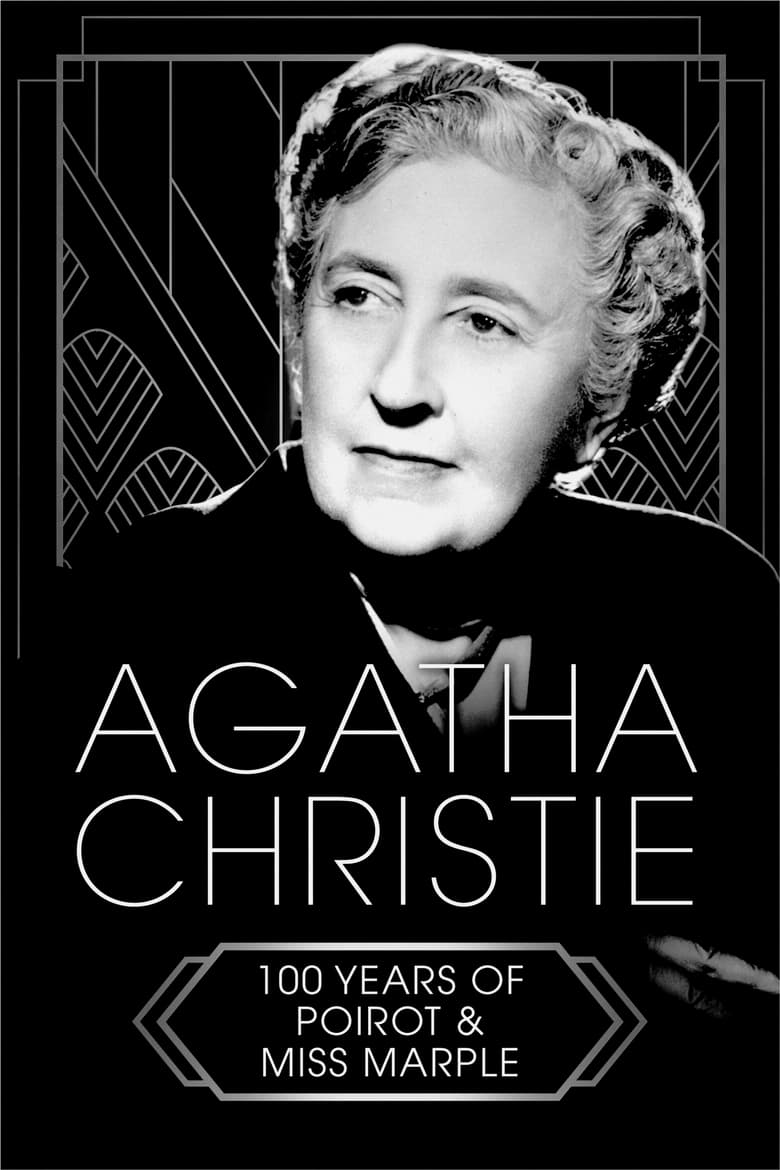
2020
Director
Sean Davison
Runtime
68 minutes
Average Rating
No ratings yetSynopsis
British writer Agatha Christie (1890-1976) published her first novel in 1920, in which the eccentric Belgian private sleuth Hercule Poirot made his debut. Later, in 1927, the first short story starring the gentle spinster Miss Jane Marple appeared. A fascinating journey through popular culture in search of the footprints of two of the most charismatic characters in crime and mystery literature.
Overall Score
Fair
Category Breakdown
LGBTQ+ Representation
The documentary focuses on established biographical and literary history. It lacks specific queer narratives or thematic critiques of heteronormativity within the primary subject matter.
Gender Representation
The film highlights female intellectual agency through the evolution of Miss Marple. It showcases how Christie's characters subvert mid-20th-century gendered expectations and hierarchies.
Racial & Ethnic Diversity
Contemporary interviewees provide a diverse array of scholars and historians. However, the core subject matter remains rooted in a specific era of British social history.
Religious & Cultural Diversity
The narrative treats English village social structures as historical artifacts. It maintains a traditionalist approach, focusing on the preservation of literary legacy rather than systemic critique.
Disability Representation
The film does not center neurodivergence or physical disabilities. Character eccentricities are discussed as literary charm rather than through contemporary neurodiversity frameworks.
Strengths
Areas for Improvement
AI Analysis
This documentary serves as a scholarly retrospective that prioritizes historical preservation over modern social deconstruction. It succeeds in examining how female characters like Miss Marple exercise intellectual authority in a male-dominated genre. While the film utilizes a diverse group of contemporary scholars for interviews, the narrative remains anchored in the traditionalist social frameworks of the early 20th century. It treats the era's social hierarchies with academic neutrality rather than challenging them. Ultimately, the film is a celebration of literary legacy. It focuses on the enduring impact of Christie's archetypes rather than actively centering non-Anglo-Saxon narratives or modern identity politics.
No reviews yet. Be the first to share your thoughts on this movie!
Use the rating form above to leave a star rating and optional review.