
Fantomas vs. Scotland Yard
1967
No user ratings available yet
Representation score: 0.6 out of 10
Representation Score
Limited
1965
Not RatedDirector
André Hunebelle
Runtime
105 minutes
Average Rating
No ratings yetNew Showbiz Analysis
Fantômas Unleashed is a quintessential mid-century adventure comedy that emphasizes spectacle and caper mechanics over social complexity. The film adheres to the established genre frameworks of 1965, focusing on a high-stakes plot involving a criminal mastermind and a super weapon. Representation is constrained by the era's standard cinematic clichés. The narrative structure is heavily male-centric, with intellectual and physical ability to act concentrated among male protagonists and antagonists. The setting and cast remain largely uniform, reflecting the period's lack of intentional racial or cultural integration. Ultimately, the film serves as escapist media rather than a tool for social critique. It reinforces traditional hierarchies and lacks the depth needed to challenge conventional social norms.
Category Breakdown
The film does not feature any LGBTQ+ characters or narratives, sticking closely to the conventions of 1965 cinema which rarely included non-assuming gender matches what was assigned at birth identities.
The story focuses on a male-dominated conflict between scientists and a criminal mastermind. Female characters play supporting or femme fatale roles and have little control over their own destinies.
The cast and setting appear uniform, centered around Western European themes. There is no indication of diverse ethnicities or race-bent casting to challenge societal norms.
The storyline follows a conventional hero/villain setup typical of mid-century entertainment. It does not question Western institutions, capitalism, or religious practices.
There are no characters with disabilities portrayed who play a significant role in driving the story. Physical impairments are not part of the character narratives.
Present on Screen
Limited or Absent
Official Synopsis
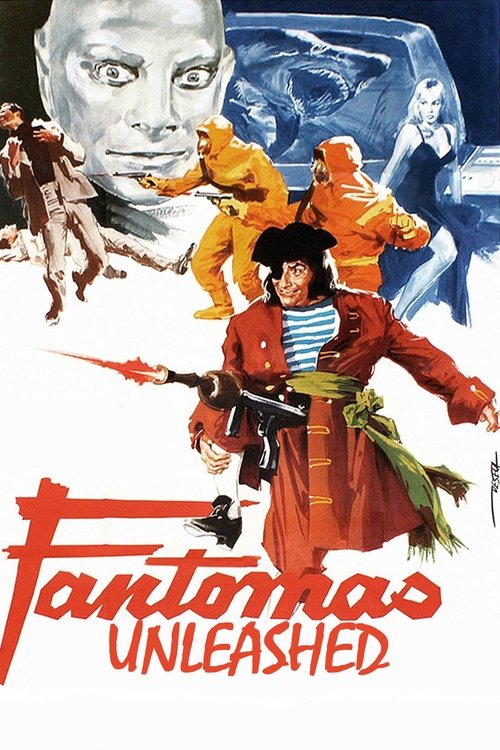
In the second episode of the trilogy Fantômas kidnaps distinguished scientist professor Marchand with the aim to develop a super weapon that will enable him to menace the world. Fantômas is also planning to abduct a second scientist, professor Lefebvre.
1967
1964

1964

1966
No reviews yet. Be the first to share your thoughts on this movie!
Use the rating form above to leave a star rating and optional review.