The Kettles on Old MacDonald's Farm
1957
No user ratings available yet
Diversity score: 1.8 out of 10
1951
ApprovedDirector
Richard Whorf
Runtime
80 minutes
Average Rating
No ratings yetSynopsis
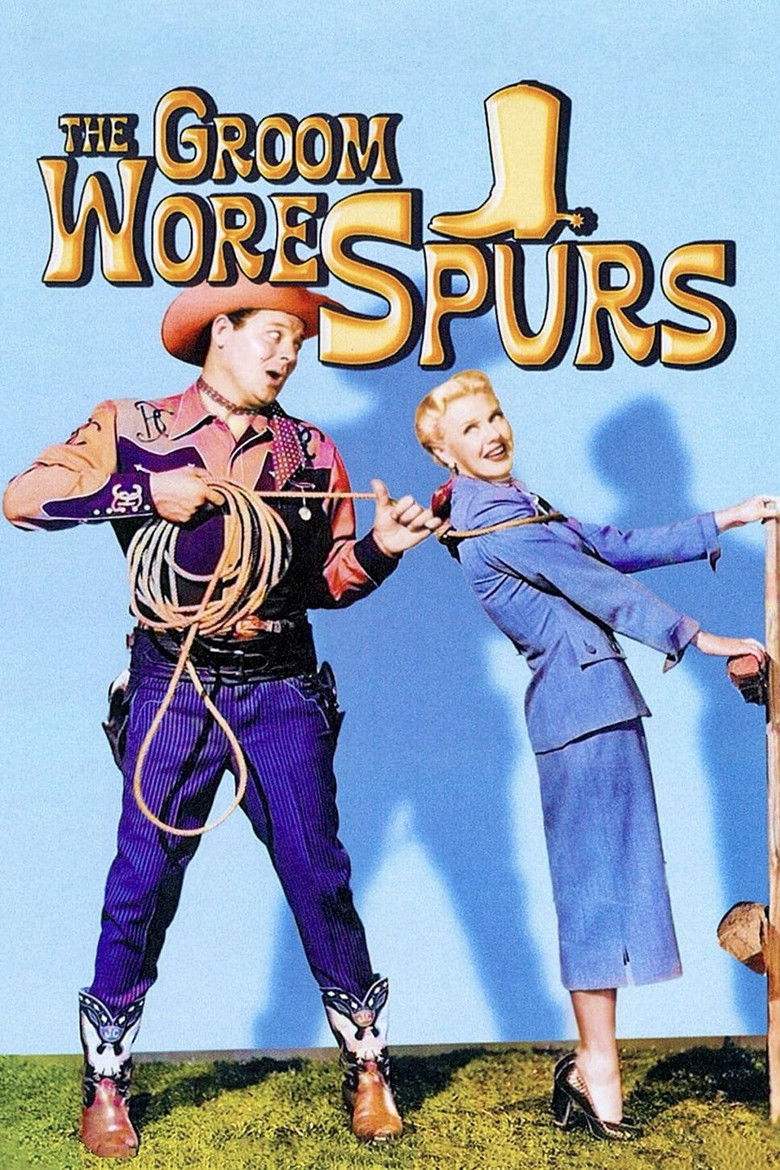
Pretty female attorney Abigail "AJ" Furnival is hired to keep high-flying cowboy movie star Ben Castle out of trouble in Las Vegas. Despite his many faults, Abigail falls in love with and marries Ben, with the hope that she can mold him into the virtuous hero he plays on the screen.
Overall Score
Minimal
Category Breakdown
LGBTQ+ Representation
The film lacks any queer subtext or non-cisnormative identities. The romantic arc is strictly heteronormative, centering on a traditional courtship and marriage.
Gender Representation
Abigail Furnival shows professional agency as an attorney, yet the plot relies on the 'molding' trope. The narrative ultimately reinforces traditional domestic hierarchies through her attempt to reform the male lead.
Racial & Ethnic Diversity
The cast is predominantly homogeneous, reflecting the Western genre's conventions of the early 1950s. There is little to no representation of non-Anglo-Saxon characters.
Religious & Cultural Diversity
The story celebrates Western institutional values, specifically the sanctity of marriage and individual virtue. It reinforces post-war social order rather than deconstructing it.
Disability Representation
There are no visible or invisible disabilities portrayed with agency. No characters are defined by physical or neurodivergent conditions.
Strengths
Areas for Improvement
AI Analysis
The film is a conventional mid-century comedy that prioritizes established social hierarchies. While it offers a glimpse of female professional competence, the narrative structure remains tethered to the conservative storytelling traditions of the 1950s studio system. Diversity is limited by the era's genre conventions. The lack of racial, LGBTQ+, or disability representation results in a narrow social framework that centers on a white-centric, heteronormative worldview. Ultimately, the film functions to restore social order. The transition from professional equality to traditional marital roles underscores a preference for traditional domestic structures over systemic subversion.
1957
1927
1939

1937
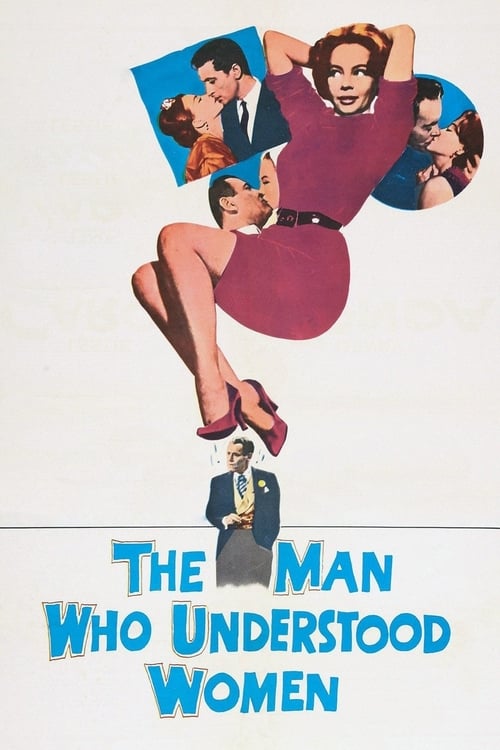
1959
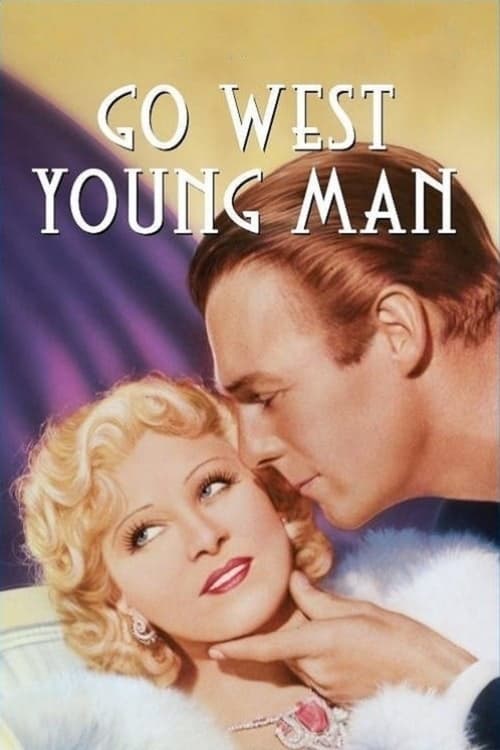
1936
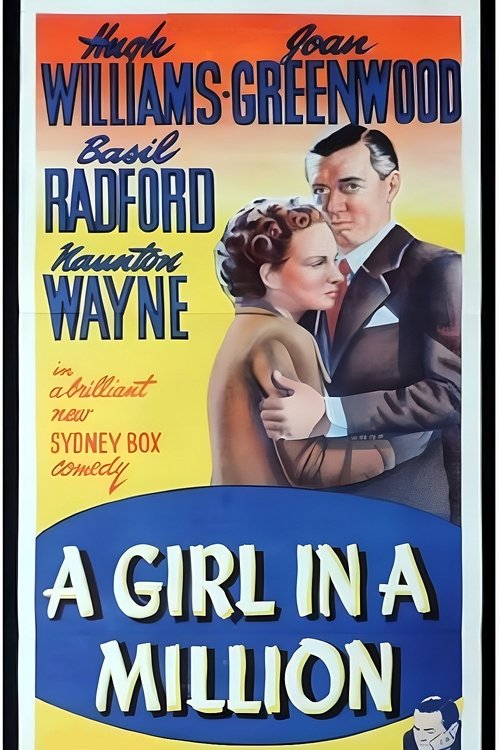
1946
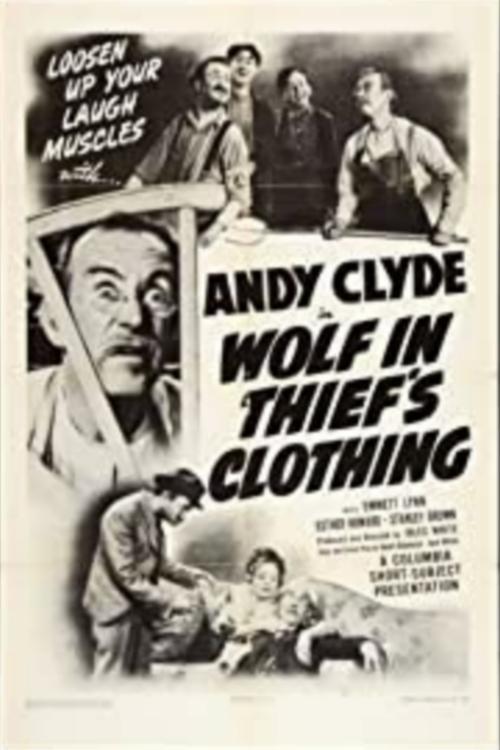
1943
1947
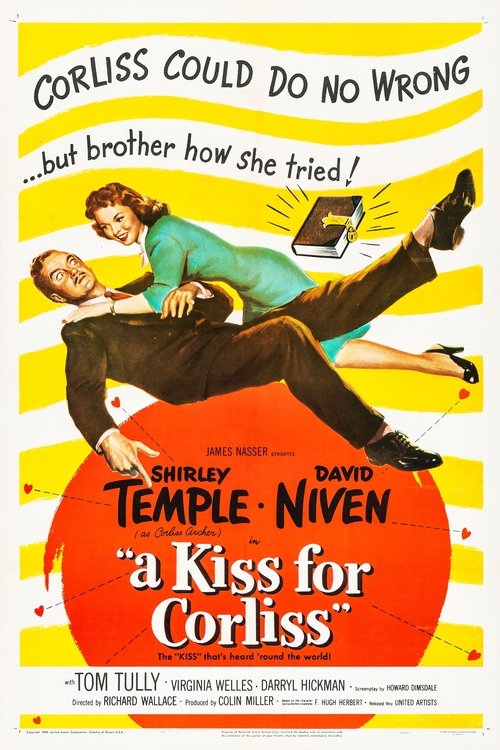
1949
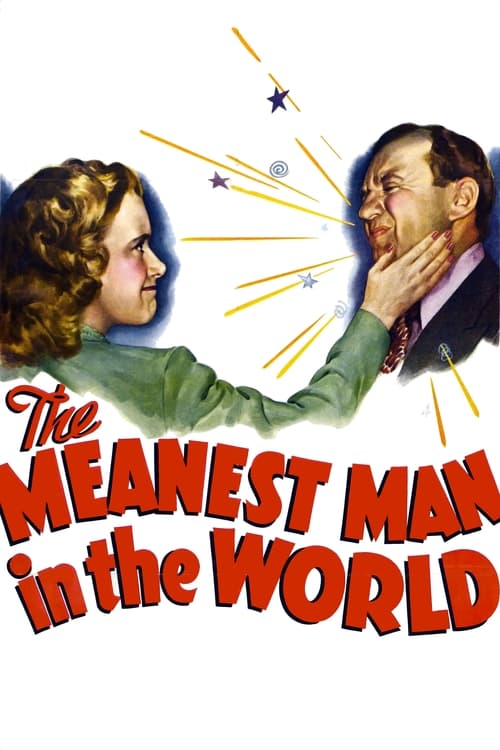
1943
1950
No reviews yet. Be the first to share your thoughts on this movie!
Use the rating form above to leave a star rating and optional review.