Doctor Who: The Seeds of Doom
1976
No user ratings available yet
Diversity score: 2.7 out of 10
1970
Director
Minoru Yamada
Runtime
98 minutes
Average Rating
No ratings yetSynopsis
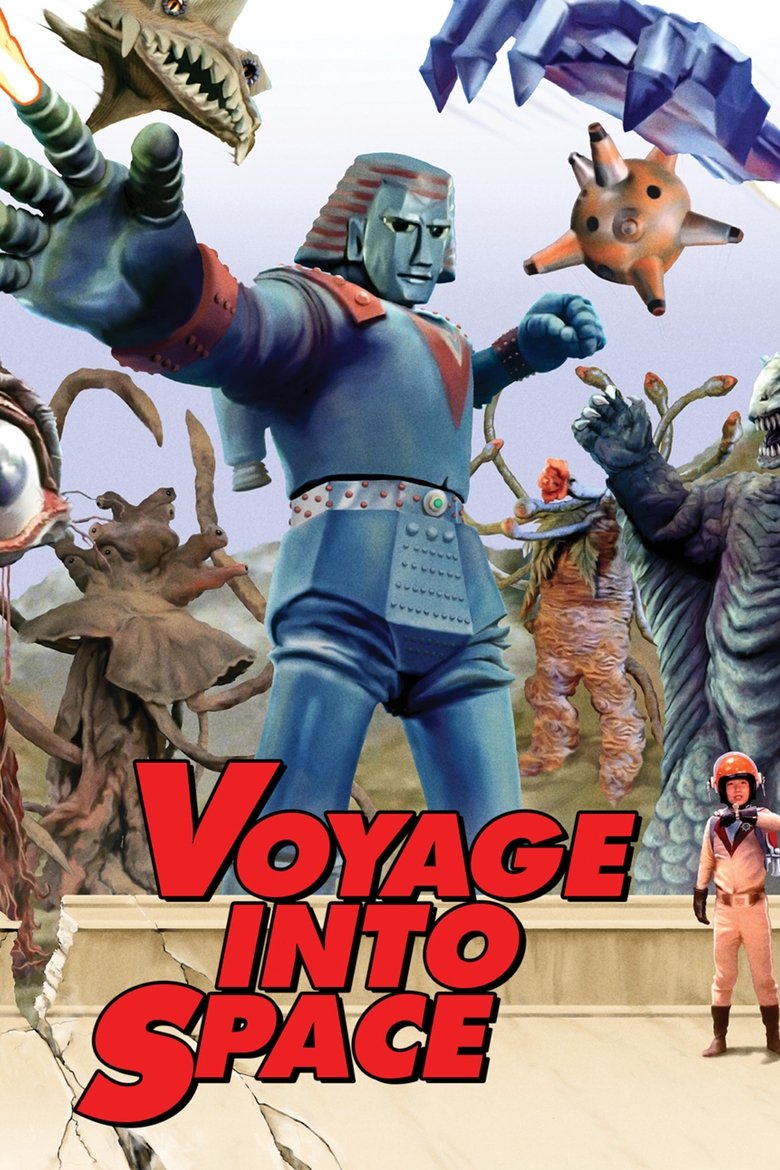
Earth is invaded by an interstellar terrorist group, Big Fire (the Gargoyle Gang in the American version), led by Emperor Guillotine who spends most of his time in a multicolored space ship hidden at the bottom of Earth's ocean, from which he issues his orders. Big Fire is capturing scientists to create an army of monsters to conquer Earth. A boy named Daisaku Kusama (Johnny Sokko in the American version) and a young Unicorn agent named Jūrō Minami (Jerry Mano in the American version) are shipwrecked on an island after being attacked by a sea monster and subsequently captured by Big Fire. They flee to where a Pharaoh-like giant robot is being built by captive scientist Lucius Guardian, who gives Daisaku and Jūrō its control device. Guardian helps them escape before he is shot to death; before he dies, he triggers an atomic bomb which destroys the base. The radiation activates the robot, which now obeys only Daisaku.
Overall Score
Limited
Category Breakdown
LGBTQ+ Representation
The film lacks LGBTQ+ characters or narratives. Character dynamics follow traditional adventure archetypes centered on male protagonists and their alliances with authority figures.
Gender Representation
Agency is concentrated in male characters like Daisaku Kusama and Jūrō Minami. Scientific and strategic roles are occupied by men, with no evidence of high-agency female characters.
Racial & Ethnic Diversity
As a Japanese production, the cast is ethnically homogeneous. While the sci-fi setting allows for non-human species metaphors, the narrative does not explicitly engage with racial blending.
Religious & Cultural Diversity
The story focuses on defending Earth against the Big Fire terrorist group. It follows a classic struggle between order and chaos to maintain societal stability.
Disability Representation
There is no information regarding characters with visible or invisible disabilities in this production.
Strengths
Areas for Improvement
AI Analysis
Voyage Into Space is a foundational piece of mid-century Japanese science fiction that prioritizes high-stakes spectacle over social subversion. The narrative architecture centers on the empowerment of a young male protagonist through technological means, specifically a giant robot. The film adheres to traditional genre tropes, focusing on a struggle between heroic order and external chaos. It functions as a classic adventure rather than a vehicle for progressive social commentary or intersectional character development. Because the story relies on established heroic archetypes, it lacks representation for marginalized identities, focusing instead on a homogeneous cast and traditional masculine leadership roles.
1976

1965
1980
1965
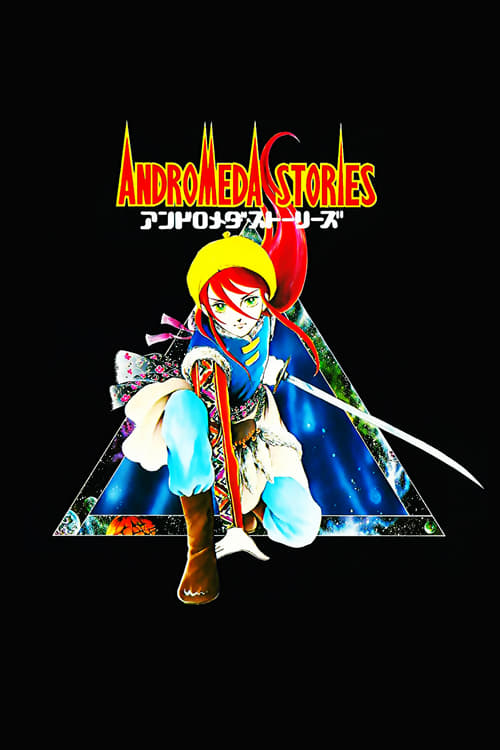
1982
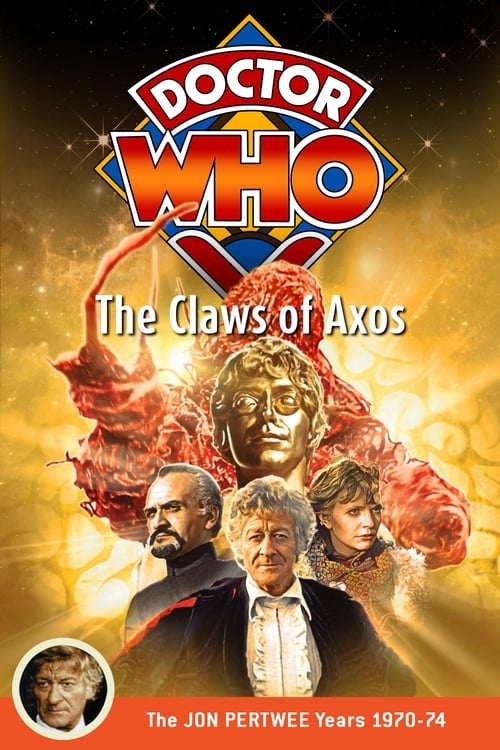
1971

1987
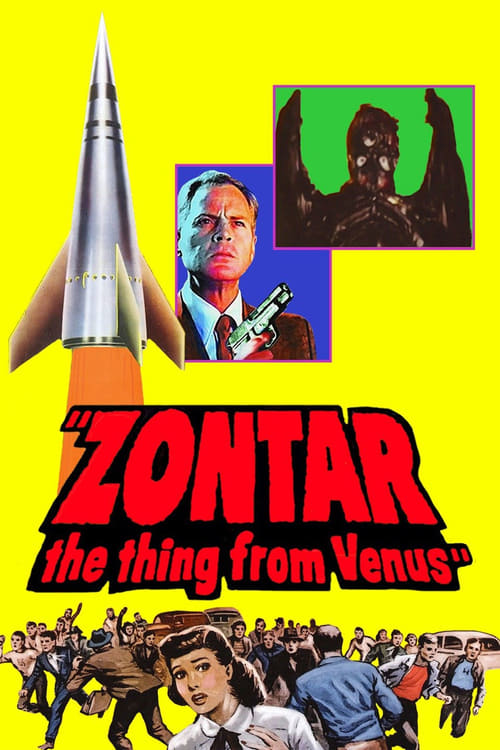
1967
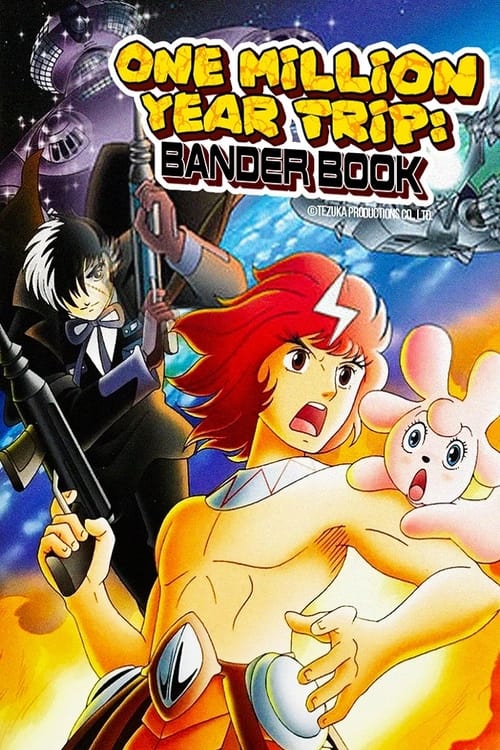
1978
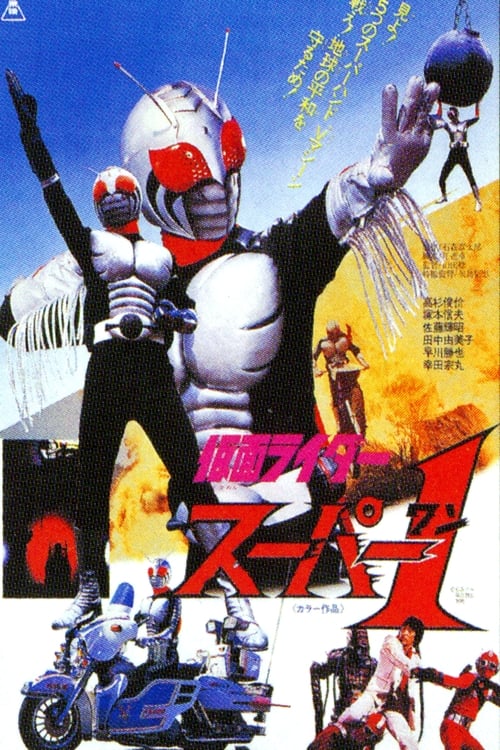
1981
No reviews yet. Be the first to share your thoughts on this movie!
Use the rating form above to leave a star rating and optional review.