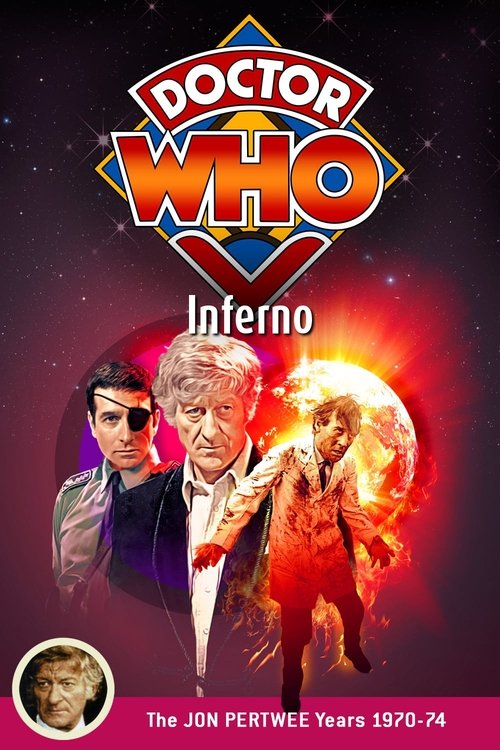
Doctor Who: Inferno
1970
No user ratings available yet
Representation score: 4.6 out of 10

Representation Score
Limited
1976
TV-PGDirector
Douglas Camfield
Runtime
150 minutes
Average Rating
No ratings yetNew Showbiz Analysis
This production reflects the limited racial and LGBTQ+ diversity of its time, focusing on a primarily Anglo-Saxon social structure. While the narrative lacks multi-layered depth, it challenges traditional gender roles through the depiction of Sarah Jane Smith as an equal partner to the Doctor. The film does not address broader social identities but offers a progressive perspective on gender equality.
Category Breakdown
The story does not include any LGBTQ+ characters or non-cisgender identities, sticking closely to the assumption that everyone is straight.
Sarah Jane Smith is shown as a capable and active partner in investigation, challenging the passive roles typically assigned to women in the 1970s.
The cast is mainly composed of white actors, reflecting the production constraints of the time. The story does not intentionally blend different racial backgrounds or explore diverse cultural identities.
The film examines class issues and the ethics of wealth through Harrison Chase’s collection of natural objects. The moral focus remains on the traditional struggle for human survival.
There are no prominent portrayals of physical or neurodivergent disabilities. Characters are depicted as fully able-bodied.
Present on Screen
Limited or Absent
Official Synopsis
When scientists in the Antarctic uncover a mysterious seed pod, the Doctor is called in to investigate. He soon realises it is extraterrestrial and extremely dangerous. At the same time, however, ruthless millionaire plant-lover Harrison Chase has learned of the find and decides he must have the pod for his collection of rare and beautiful flora. Meanwhile the pod itself harbours intelligent life with sinister plans of its own...
1970

1957

1968
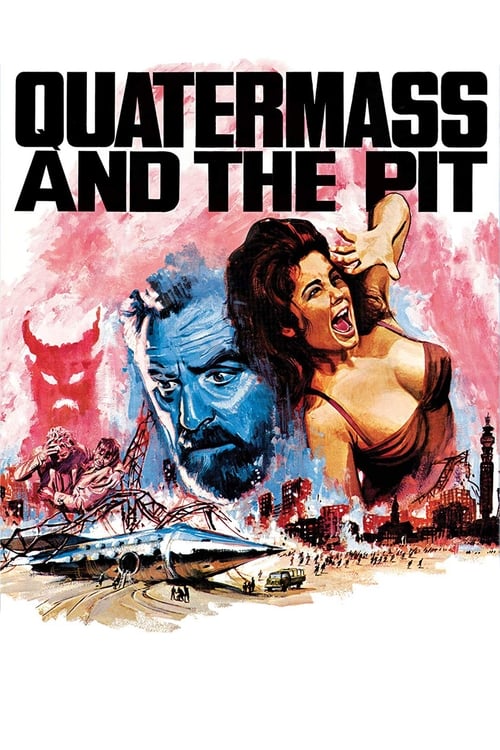
1967

1975
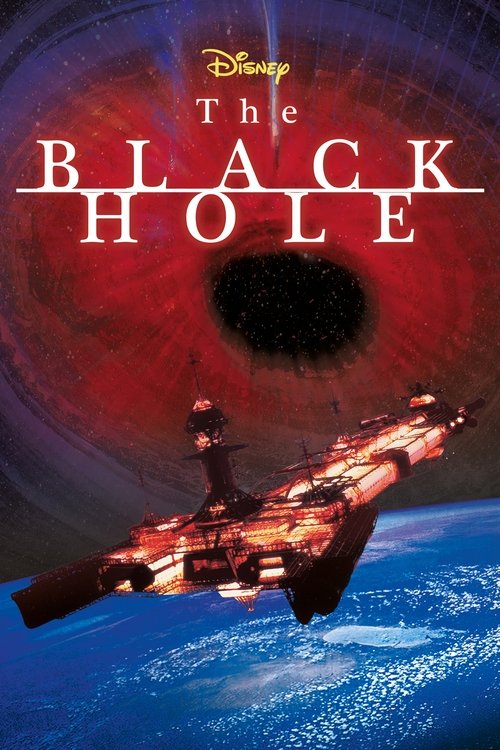
1979
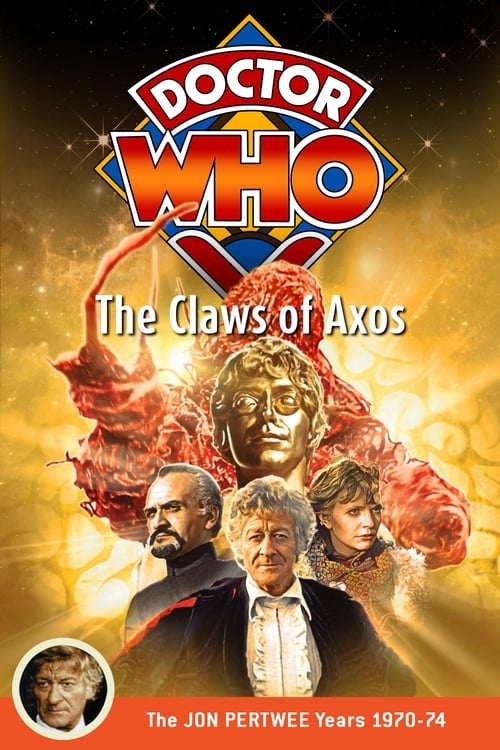
1971

1966
No reviews yet. Be the first to share your thoughts on this movie!
Use the rating form above to leave a star rating and optional review.