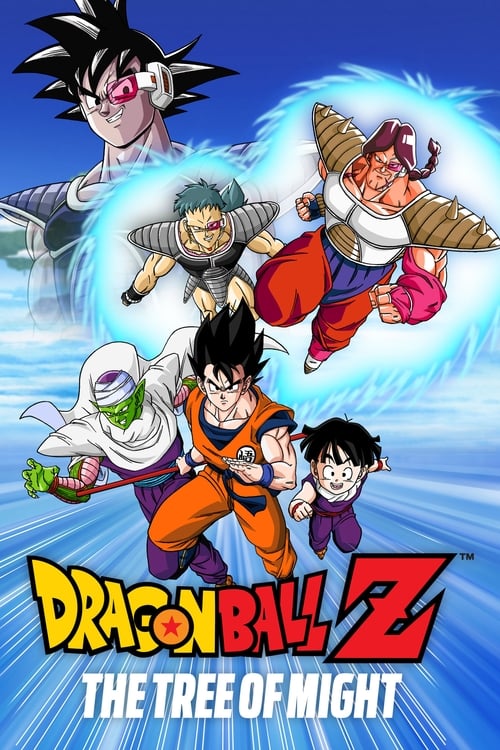
Dragon Ball Z: The Tree of Might
1990
No user ratings available yet
Diversity score: 3.2 out of 10
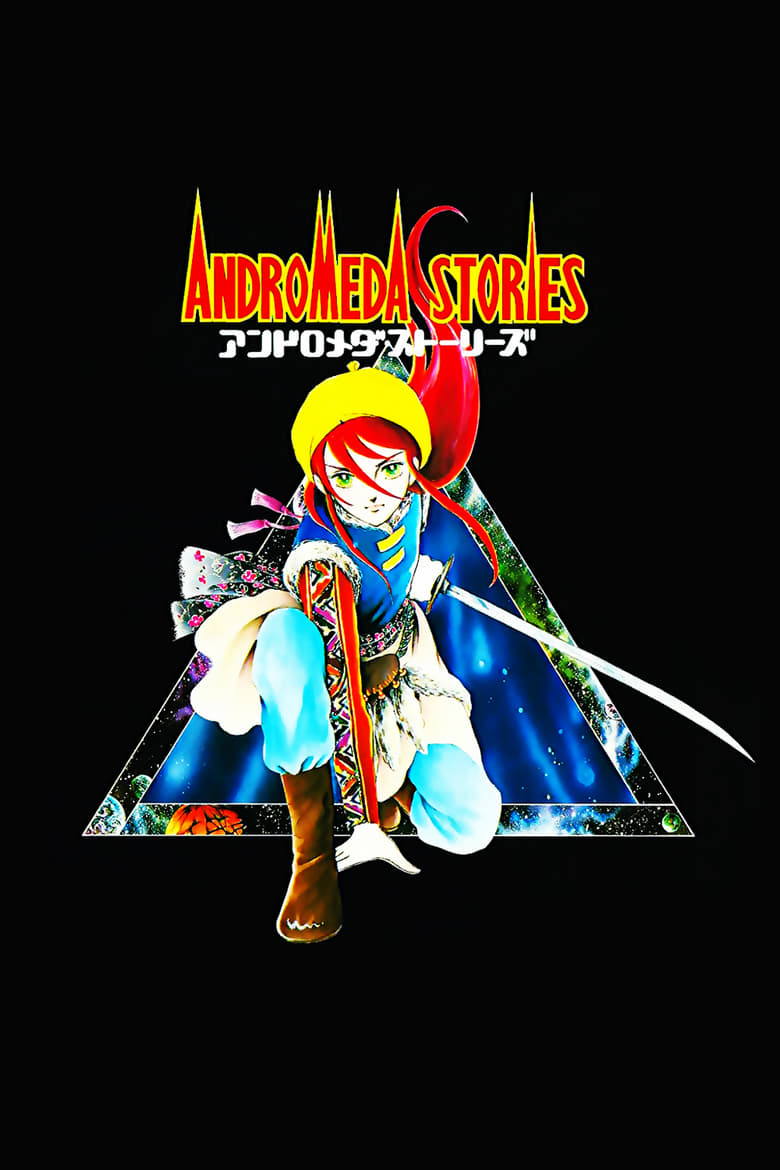
1982
Director
Masamitsu Sasaki
Runtime
85 minutes
Average Rating
No ratings yetSynopsis
In the Andromeda galaxy there's a planet of a highly developed human civilisation. The gentle Prince Itaka and another kingdom's beautiful Princess Lilia are about to enter a love-marriage and take over the throne, when they discover a strange object on the nightsky. Later it lands on the planet, and an alien, mechanic civilization invades King Itaka's peaceful country making nearly everybody their slave. On a fateful night Queen Lilia gives birth to twins, and to avoid misfortune, the nanny Tarama takes one of the babies away, and entrusts it to the gladiator Balga. They still don't know, that the children were born with strong powers, and hold the key to the fight against the enemy that's searching to destroy every human civilisation on the planet... (from myanimelist)
Overall Score
Fair
Category Breakdown
LGBTQ+ Representation
The story centers on a traditional romantic union between Prince Itaka and Princess Lilia. There is no evidence of non-cisnormative identities or same-sex intimacy within the narrative.
Gender Representation
Characters follow traditional archetypes, such as a gentle prince and a beautiful princess. However, the nanny Tarama provides significant agency by executing a high-stakes rescue mission for the twins.
Racial & Ethnic Diversity
The science fiction setting bypasses terrestrial racial hierarchies by focusing on a human civilization in the Andromeda galaxy. The mechanistic invaders serve as a metaphorical 'other' for themes of colonization.
Religious & Cultural Diversity
The plot follows a classic hero's journey centered on preserving a royal bloodline. The narrative focuses on restoring the existing social order and monarchy rather than critiquing it.
Disability Representation
The provided information contains no discernible evidence regarding the portrayal of physical or neurodivergent disabilities.
Strengths
Areas for Improvement
AI Analysis
Andromeda Stories operates within the established tropes of 1980s space opera. While the speculative setting allows for a departure from Earth-based racial norms, the character dynamics remain rooted in traditionalist structures. The film relies heavily on gendered archetypes and the preservation of royal lineage. While some female agency exists through the character of Tarama, the overarching narrative goal is the restoration of a conventional monarchy. Ultimately, the work functions as a classic fantasy epic. It explores themes of invasion and survival through a lens of destiny and institutional stability rather than social subversion.
No reviews yet. Be the first to share your thoughts on this movie!
Use the rating form above to leave a star rating and optional review.