
RoboCop
1987
No user ratings available yet
Representation score: 5.2 out of 10

Representation Score
Good
2001
RDirector
Julian Grant
Runtime
95 minutes
Average Rating
No ratings yetNew Showbiz Analysis
RoboCop: Prime Directives primarily serves as a critique of systemic issues rather than a focus on demographic diversity. Its strength lies in dismantling corporate dominance and questioning the perfection of societies like Delta City. Though the film lacks substantial representation of race, gender, or LGBTQ+ identities, it offers a powerful thematic challenge to dominant power structures. The narrative emphasizes the tension between personal identity and institutional control. The protagonist's cyborg status provides a unique perspective on disability and bodily differences, even if the rest of the cast remains relatively homogeneous.
Category Breakdown
The film doesn't include any visible LGBTQ+ characters or explore non-straight relationships. The plot revolves around fatherly bonds and competition among men.
The story emphasizes masculine roles, focusing on law enforcement and corporate leadership. It may critique overly masculine structures through the main character's struggle with becoming obsolete.
The movie doesn't mention a diverse cast or non-Anglo-Saxon viewpoints. The setting implies a uniform, stratified society typical of corporate dystopias.
The film effectively challenges Western institutions by portraying unchecked capitalism and hidden governing bodies as corrupt, promoting an anti-authoritarian perspective.
Alex Murphy's cyborg identity highlights his permanent, technologically-induced disability. His condition centers the narrative around bodily differences and mechanical enhancements.
Present on Screen
Limited or Absent
Official Synopsis
Thirteen years after the original Robocop, Delta City, considered to be "The Safest Place On Earth!", has become a futuristic city owned and operated by OCP, and RoboCop, Alex Murphy has begun to feel his age. Murphy finds himself nearly obsolete, and must deal with the fact that his now-grown son James is an OCP executive, unaware that his father is still alive. Also, Murphy's former partner, John Cable, has returned to Delta City as its new Security Commander. But slowly, new enemies arise, and Murphy and Cable begin an investigation into a mysterious villain known as the Bone Machine, unaware that they are coming dangerously close to exposing an evil group of OCP executives known as The Trust... which James Murphy is a part of. Desperate to prevent their sinister plans from being revealed, The Trust programs Murphy to kill John Cable...
1987

2007

1994

2013

1993
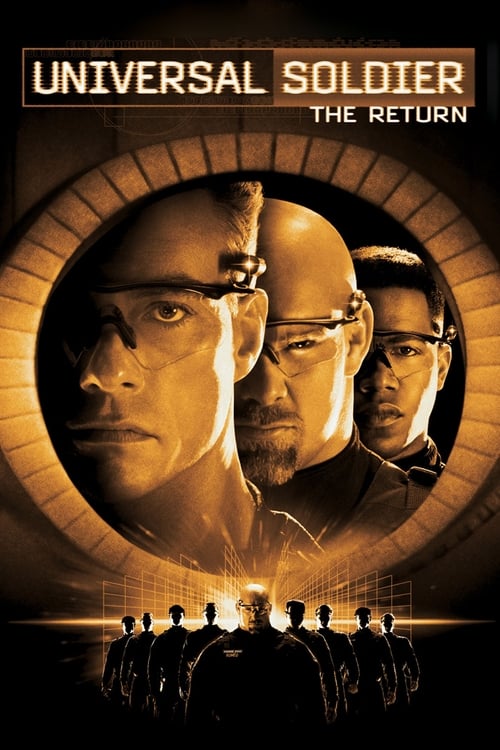
1999

2014

1990
No reviews yet. Be the first to share your thoughts on this movie!
Use the rating form above to leave a star rating and optional review.